Reduce Screen Time for Better Melatonin
The house is finally quiet, the family is asleep, and you promise yourself you will only scroll for five minutes—yet an hour later, you are still staring at the glowing screen, feeling wider awake than before. We have all been there. After a long day of juggling work and household responsibilities, that quiet evening window feels like our only true personal time. It is incredibly tempting to spend it catching up on social media or watching videos. But while our minds might feel like they are relaxing, our biology is getting a completely different signal.
When we bring our smartphones and tablets into bed, we are unintentionally disrupting our body's natural sleep signals. Let's look at how screen exposure affects our sleep quality and explore some realistic, stress-free ways to set digital boundaries that actually fit into a busy life.
The Science Made Simple: Blue Light and Melatonin
Our bodies rely on a natural internal clock to tell us when it is time to sleep and when to wake up. A key player in this process is melatonin, a hormone that our brain produces to help us wind down. Under natural conditions, as daylight fades, melatonin production increases, signaling to our system that it is time for restful sleep.
However, the screens on our devices emit a high concentration of blue light. This specific type of light mimics daylight. When this light hits our eyes in the evening, our brain gets confused. It assumes it is still daytime and actively suppresses melatonin release. Even just a few minutes of screen exposure right before bed can delay this essential hormone spike, making it much harder to fall asleep and reducing the overall quality of our rest.
Realistic Ways to Set Phone Boundaries
Knowing the science is one thing, but changing our evening habits is another. We do not need a drastic digital detox to see a difference. Instead, we can focus on small, sustainable adjustments to our sleep environment.
Here are a few practical ideas that do not require giving up your devices entirely:
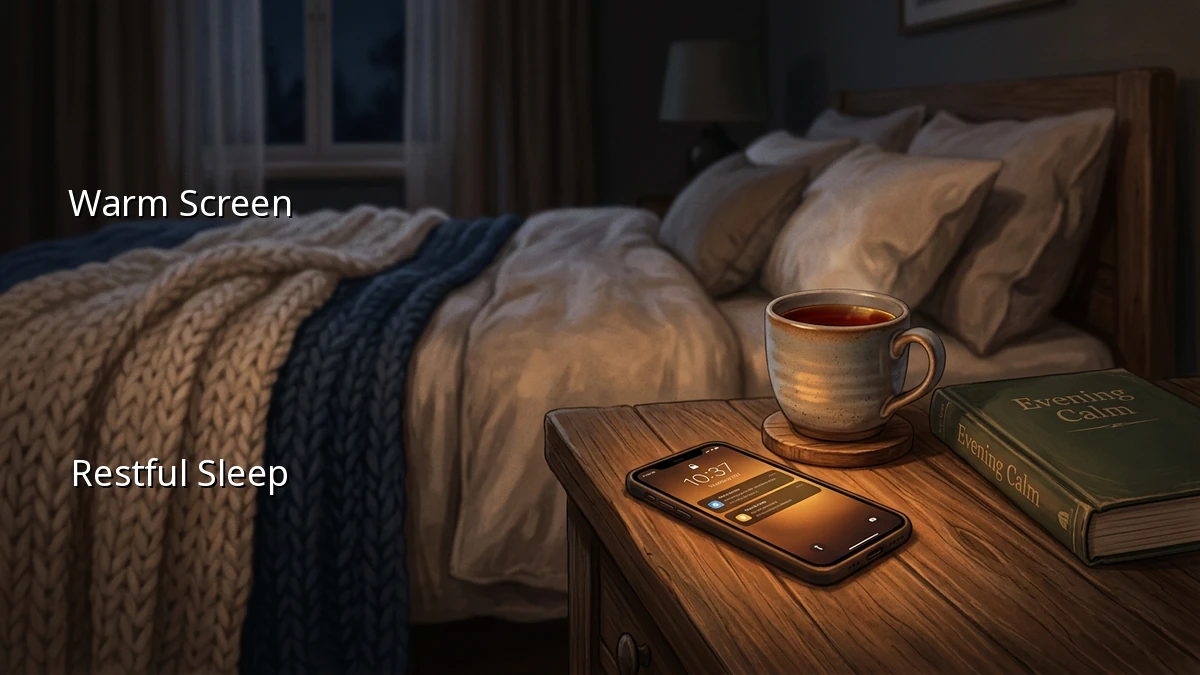
- Use Night Shift Mode: Most modern smartphones and tablets have a setting that shifts the screen colors to a warmer spectrum in the evening. While it does not block all blue light, it significantly reduces the harshness of the screen exposure.
- Leverage Silent Mode and Notification Settings: The constant buzz of notifications keeps our brains on high alert. Try setting your phone to silent mode or 'Do Not Disturb' starting an hour before you want to sleep. You can customize it so only emergency calls from family get through.
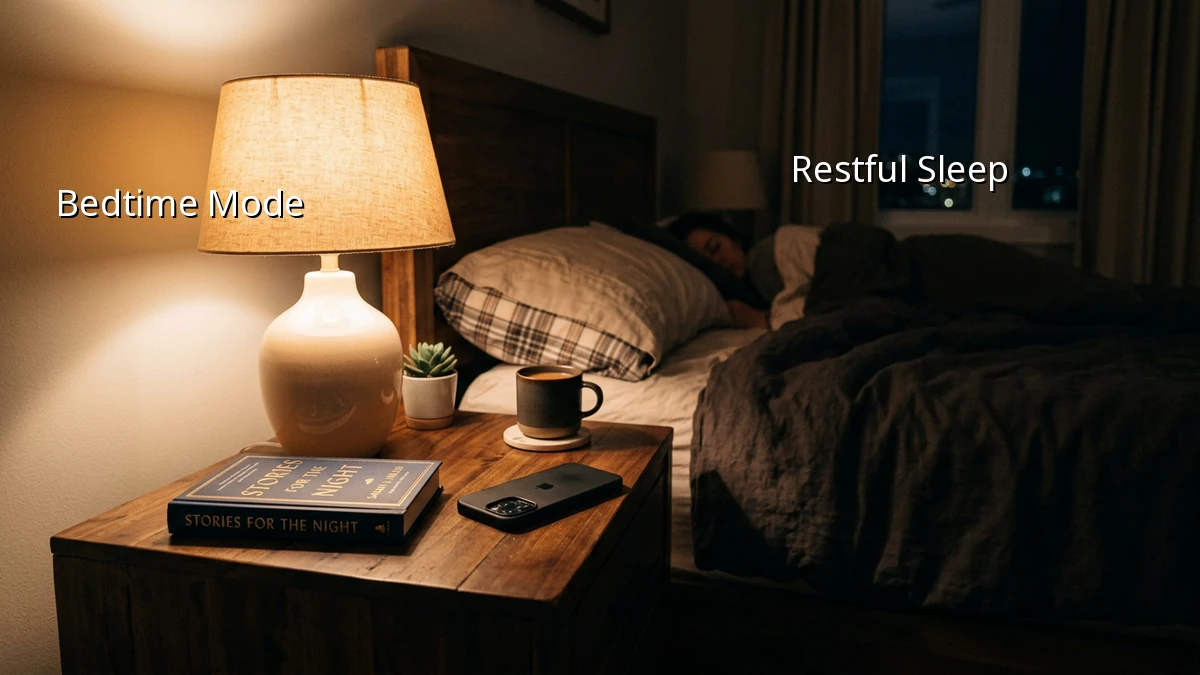
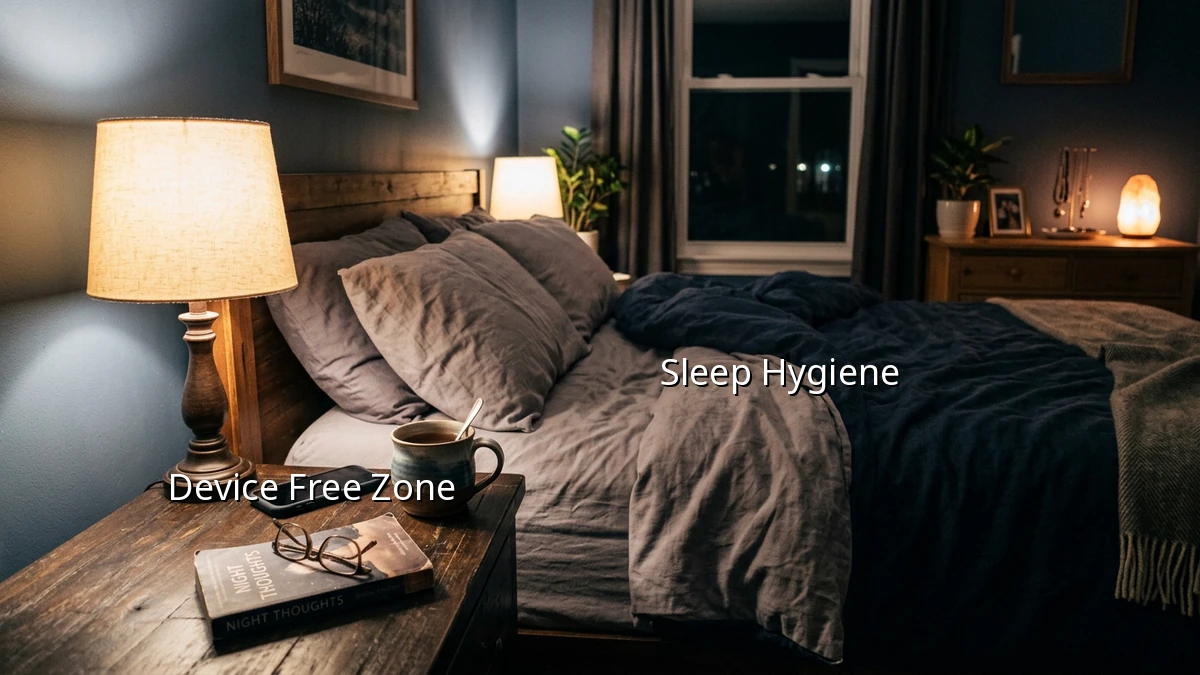
- Create a Charging Station Outside the Bedroom: If your phone is right on your nightstand, the temptation to reach for it during a midnight wake-up is incredibly high. Try charging your device across the room or even in the hallway.
Building a Gentle Bedtime Routine
Replacing screen time does not mean you have to sit in a dark room doing nothing. The goal is to find low-stimulation evening habits that help your mind transition from the busy day to a restful night.
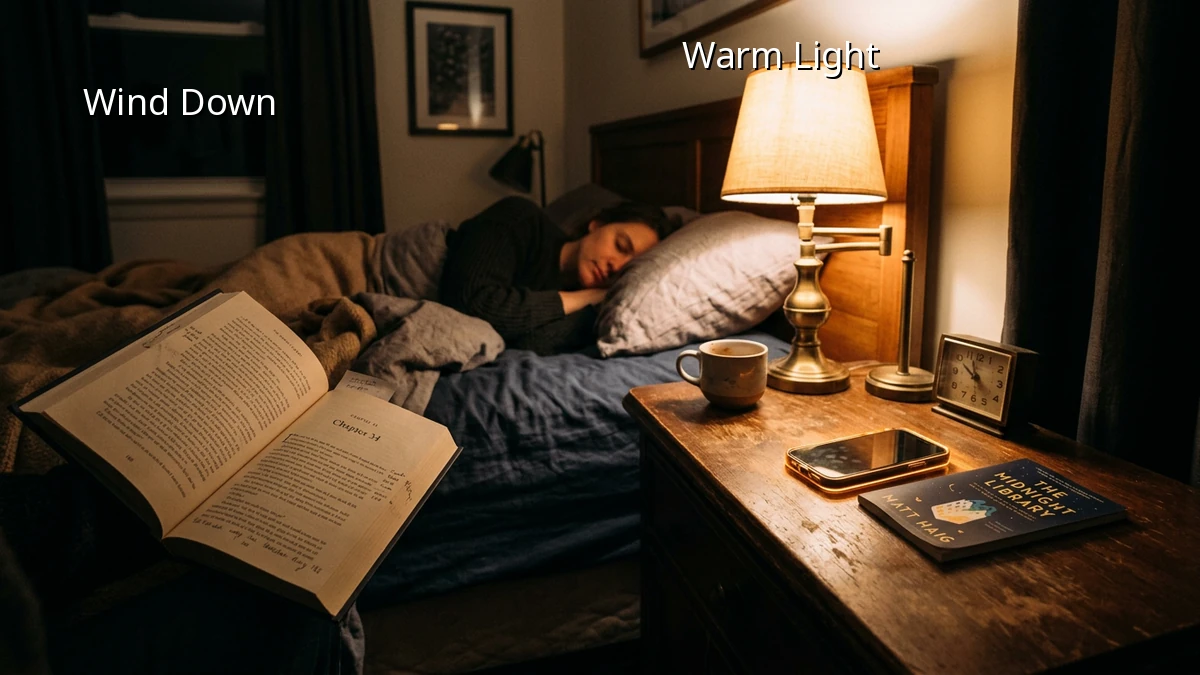
Instead of scrolling, you might try reading a physical book, listening to a calming podcast, or simply enjoying a warm cup of herbal tea. The key is to choose activities that do not involve active decision-making or bright light exposure. Even starting with just ten minutes of device-free time before closing your eyes can make a noticeable difference in how quickly you drift off.
Progress Over Perfection
Adjusting our relationship with technology is a journey, not an overnight fix. Some nights you will successfully put your phone away early, and other nights you might find yourself scrolling late. That is completely okay.
The goal of sleep hygiene is not to create a rigid set of rules that causes more stress. It is about finding small, gentle habits that support your well-being. Tonight, try taking just one small step—maybe turning on silent mode a little earlier—and see how your body responds. You deserve a peaceful, restorative night of sleep.