Simple Screen Limits for Better Sleep
Simple Screen Limits for Better Sleep
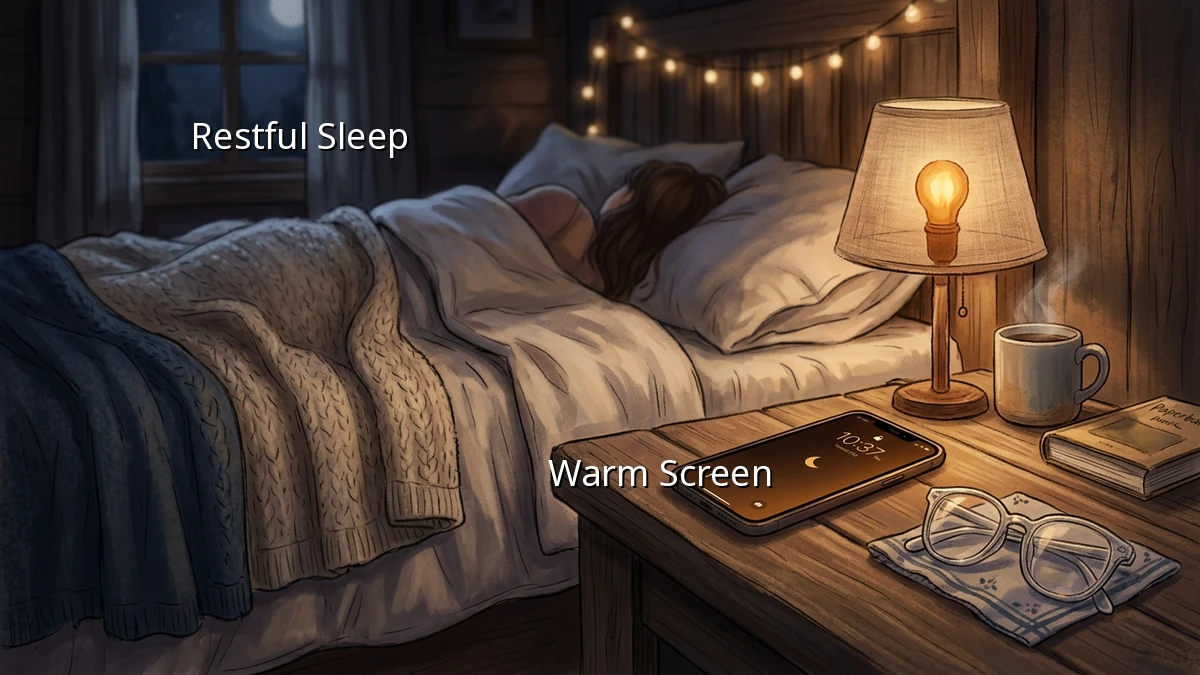
The soft, blue glow of my phone screen used to be the very last thing I saw before closing my eyes, even when my eyelids felt like lead and my mind was racing from a long day. It is so easy to fall into the trap of scrolling through social media or checking work emails just one last time, convincing ourselves that we are winding down. In reality, this seemingly harmless habit is one of the biggest disruptors of our sleep quality.
If you find yourself tossing and turning, feeling tired but wired, you are definitely not alone. Creating simple screen limits is not about a drastic digital detox that feels impossible to maintain. Instead, it is about making small, sustainable adjustments to protect our natural sleep cycles and reclaim our evenings.
The Invisible Sleep Stealer: Blue Light and Melatonin
To understand why screen exposure before bed is so disruptive, we have to look at how our bodies prepare for rest. Our brains rely on a hormone called melatonin to signal that it is time to sleep. Under natural conditions, melatonin production increases as darkness falls, helping us feel naturally drowsy.
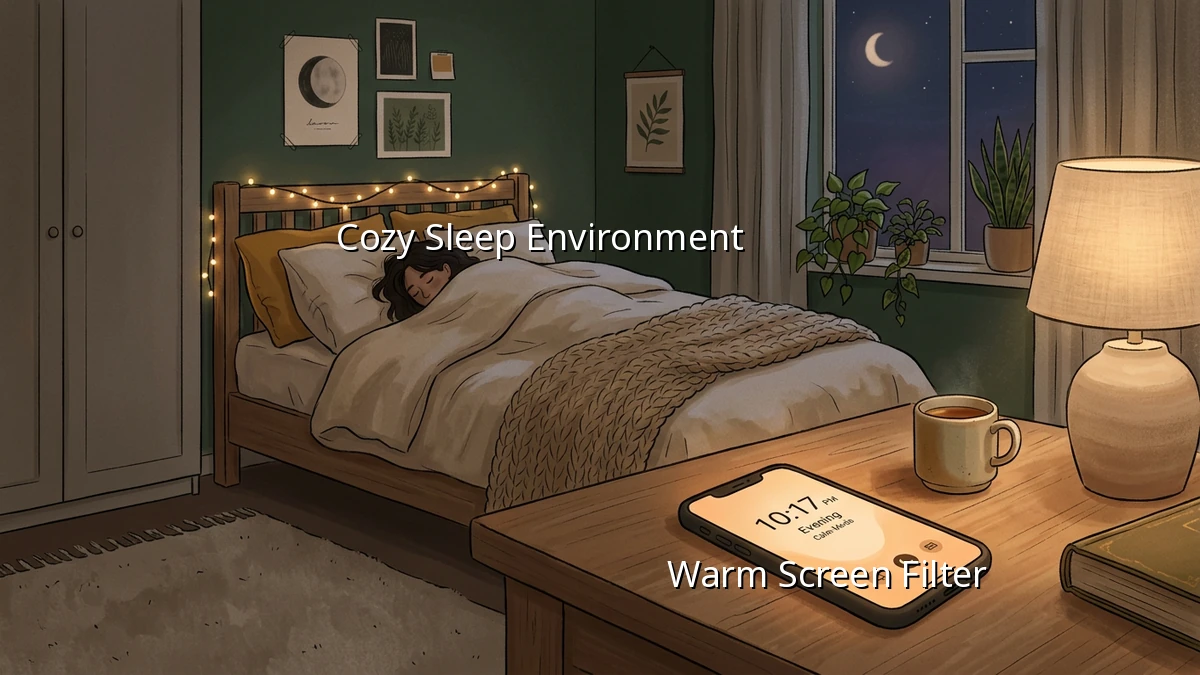
However, our beloved smartphones, tablets, and laptops emit a high concentration of blue light. This specific light exposure tricks our brain into thinking it is still daytime, effectively putting the brakes on melatonin release. When we keep our eyes glued to a screen late into the evening, we are unintentionally delaying our body's natural wind down process. By establishing clear digital boundaries, we focus on melatonin protection, allowing our internal clock to do its job without interference.
Small Steps to Create Healthy Phone Boundaries
Implementing screen limits does not mean you have to banish technology from your life entirely. It is all about creating realistic phone boundaries that fit into a busy schedule. Here are a few gentle, practical strategies that have made a world of difference in my own home:
- Set a Digital Curfew: Try to put your devices away at least 30 to 60 minutes before bedtime. If an hour feels too daunting, start with just 15 minutes and gradually build up. Consistency matters far more than perfection.
- Optimize Your Notification Settings: Use features like silent mode or 'Do Not Disturb' to silence non-urgent alerts in the evening. If your phone is constantly buzzing, your brain stays in a state of high alert, making restful sleep much harder to achieve.
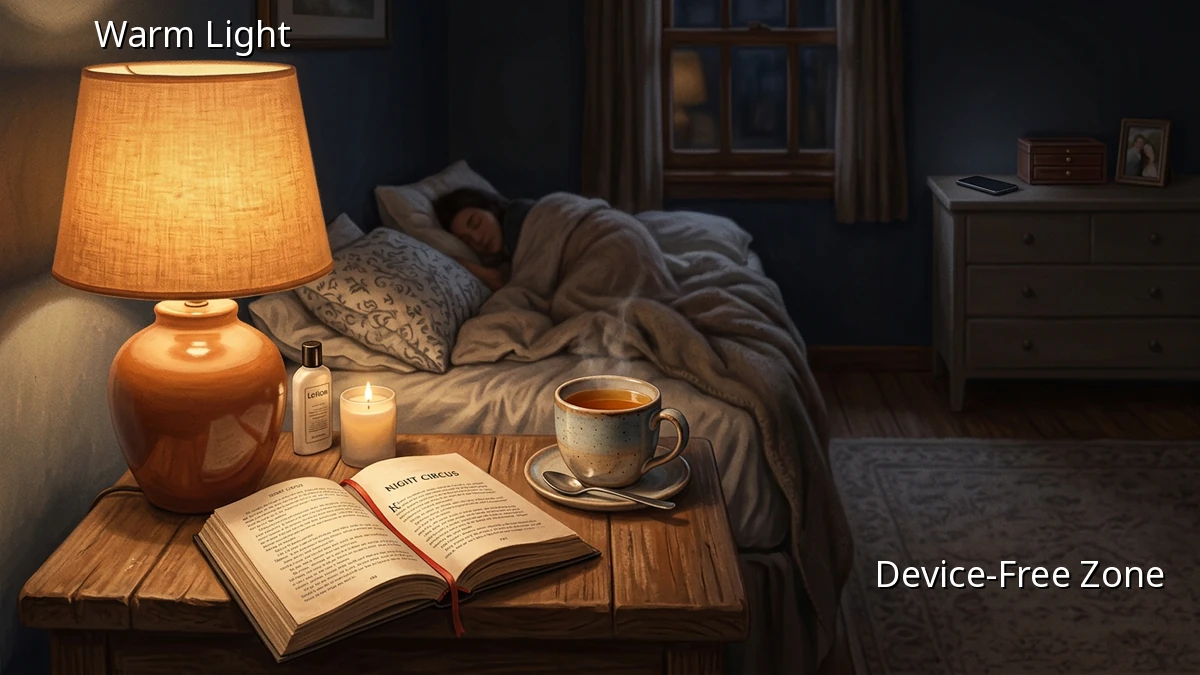
- Charge Your Phone Across the Room: If your phone is within arm's reach of your bed, the temptation to scroll is almost irresistible. Try charging it on the other side of the room or even in a different room entirely. This simple physical barrier makes a device free sleep environment much easier to maintain.
Crafting a Realistic Wind-Down Routine
Once the screens are put away, you might wonder what to do with that extra time. This is the perfect opportunity to establish a soothing evening routine that prepares your mind and body for rest. Your bedtime routine does not need to be complicated or time-consuming.
Instead of scrolling, you might try reading a physical book, writing down a few thoughts in a journal, or doing some light stretching. Even sipping a warm cup of herbal tea in a dimly lit room can signal to your brain that the day is winding down. The goal is to replace screen time with low-stimulation evening habits that promote relaxation rather than mental fatigue.
Be Kind to Yourself on This Journey
Adjusting your bedtime habits is a process, and there will be nights when you find yourself scrolling later than you intended. That is completely okay. Sleep hygiene is not about following strict rules perfectly every single day; it is about finding a sustainable balance that improves your daily life.
Tonight, try taking just one small step. Turn on silent mode a little earlier, or place your phone just out of reach. You deserve a peaceful, restful night of sleep, and you have the power to create the space for it.