No Cost Blue Light Hacks for Beginners
No Cost Blue Light Hacks for Beginners
The house is finally quiet, the family is asleep, and you are sinking into the couch with your phone, only to realize your eyes are burning and your mind is racing. We have all been there. After a long day of balancing work and life, that late-night screen time feels like our only personal window. But that blue light from our smartphones and laptops is secretly telling our brains that it is high noon, disrupting our natural melatonin production and stealing our precious sleep quality.
You do not need to buy expensive blue light glasses or fancy gadgets to fix this. Here are some simple, free ways to adjust your digital habits and screen exposure for a more restful sleep tonight.
1. Activate Your Built-in Screen Filters
Before you spend money on external filters, look at the settings already on your devices. Most modern smartphones, tablets, and computers have built-in features designed to reduce blue light.
- Night Shift or Night Light Mode: This setting shifts the colors of your display to the warmer end of the spectrum. You can set it to turn on automatically from sunset to sunrise.
- Screen Dimming: Simply lowering the brightness of your screen in the evening makes a massive difference.
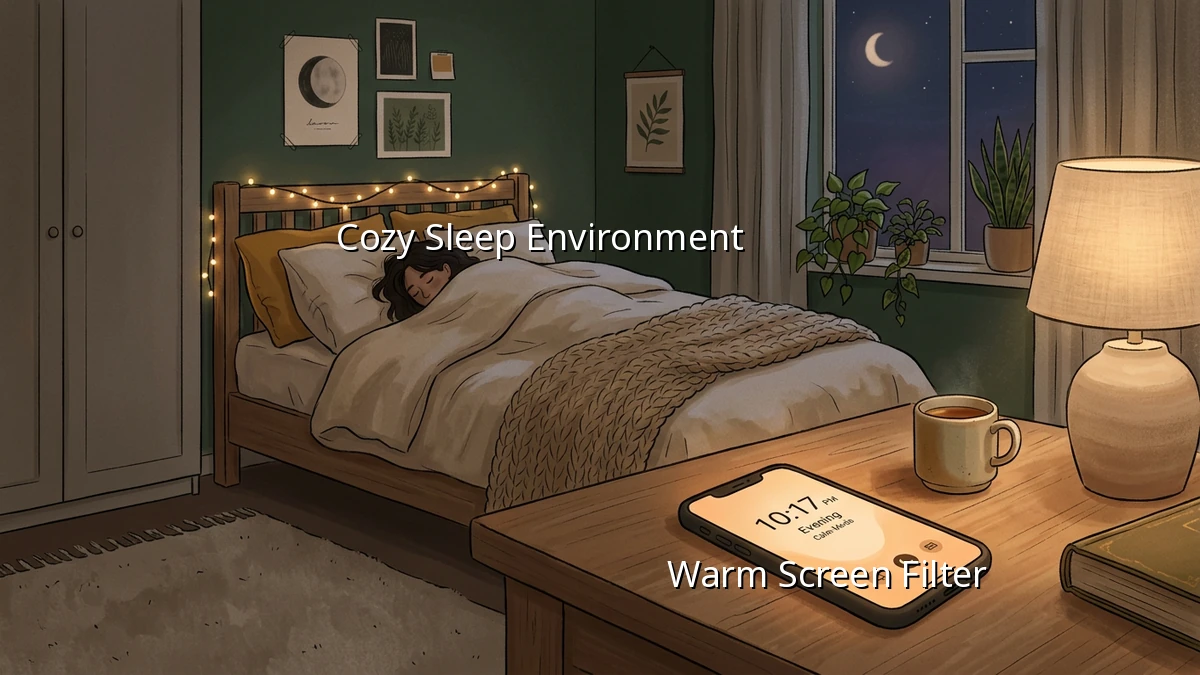
By making these quick adjustments in your settings, you can significantly lower your evening light exposure without changing your daily routine.
2. Create Digital Boundaries with a Wind Down Routine
It is not just about the light; it is also about the mental stimulation. Establishing simple bedtime habits can help transition your mind from active mode to sleep mode.
- The 30-Minute Rule: Try to put your phone away just 30 minutes before closing your eyes. You do not need to go device-free for hours; start small and realistic.
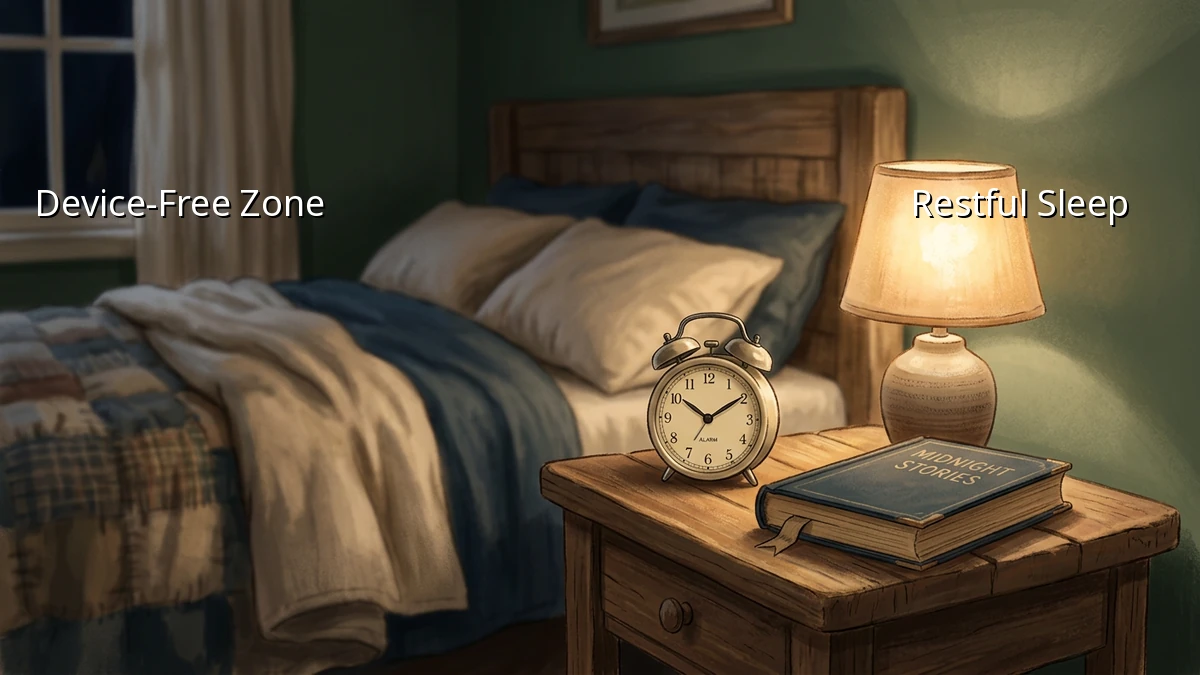
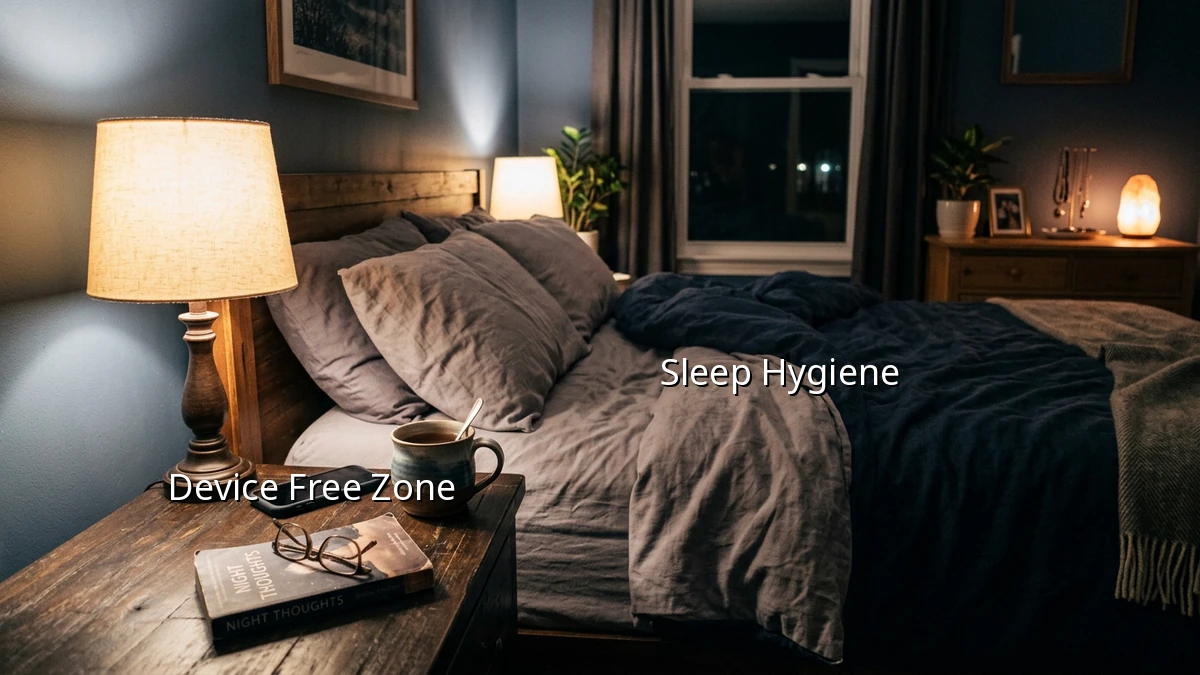
- Charge Out of Reach: If your phone is plugged in across the room or on a dresser instead of your nightstand, you are less likely to mindlessly grab it when you wake up in the night.
These small digital boundaries help protect your sleep environment and give your brain the cue that it is time to rest.
3. Adjust Your Evening Habits and Environment
Improving your sleep hygiene does not have to be complicated. You can make simple shifts in your home environment to support healthy melatonin levels.
- Dim the House Lights: About an hour before bed, turn off bright overhead lights and use warm lamps instead. This mimics the natural sunset and prepares your body for sleep.
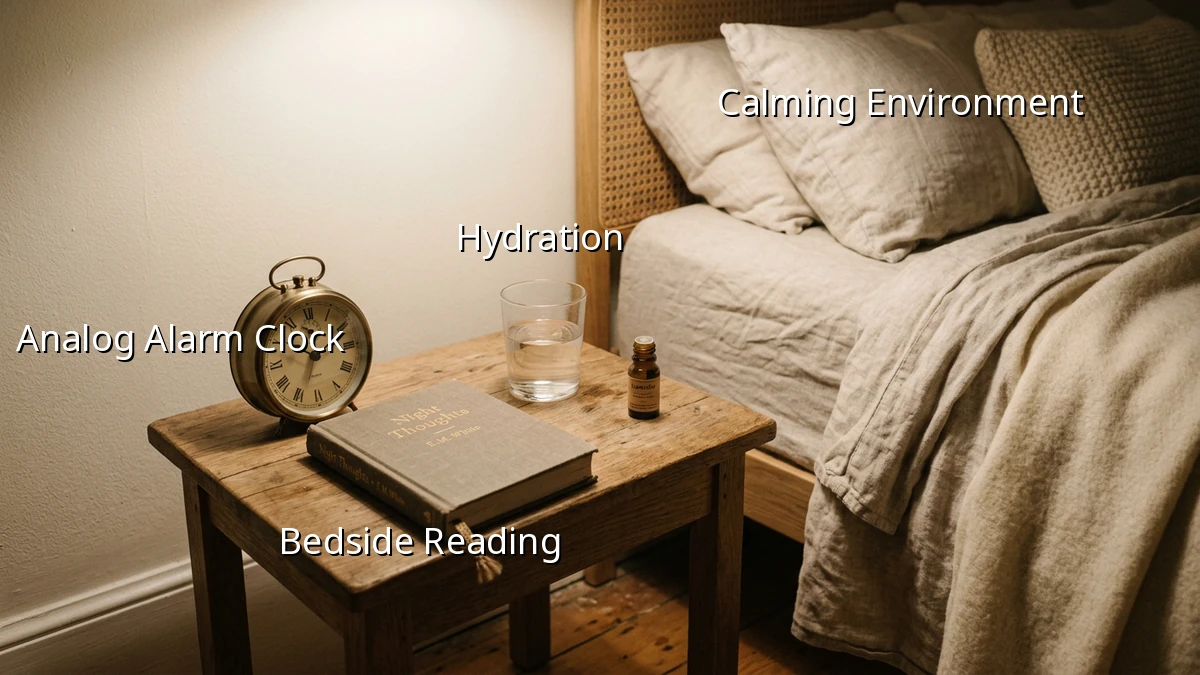
- Swap Screen Time for Page Time: If you need something to help you wind down, try reading a physical book or listening to a calming podcast instead of scrolling through social media.
Finding Balance in a Digital World
We live in a world of screens, and trying to avoid them completely is just not realistic for most of us. Do not stress if you cannot follow these tips perfectly every single night. Even making one small change, like scheduling Night Shift on your phone, is a wonderful step toward better sleep hygiene. Be gentle with yourself, and enjoy your journey to a more restful night.