Quiet Room Setup for Busy Workers
Quiet Room Setup for Busy Workers
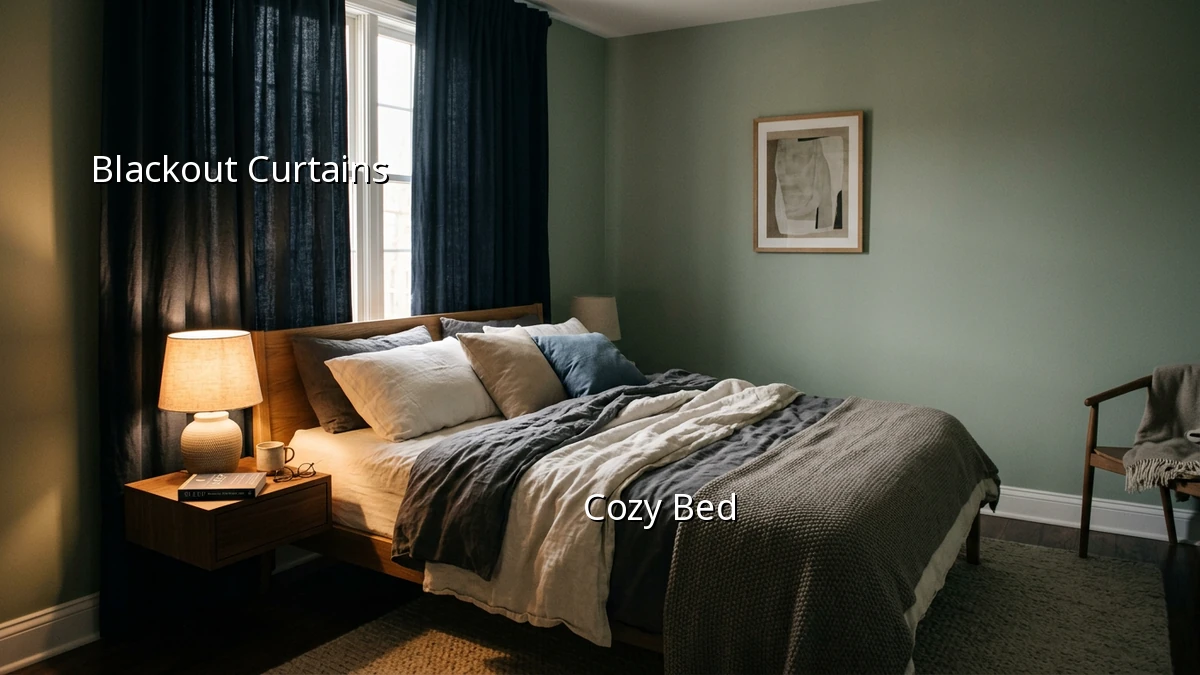
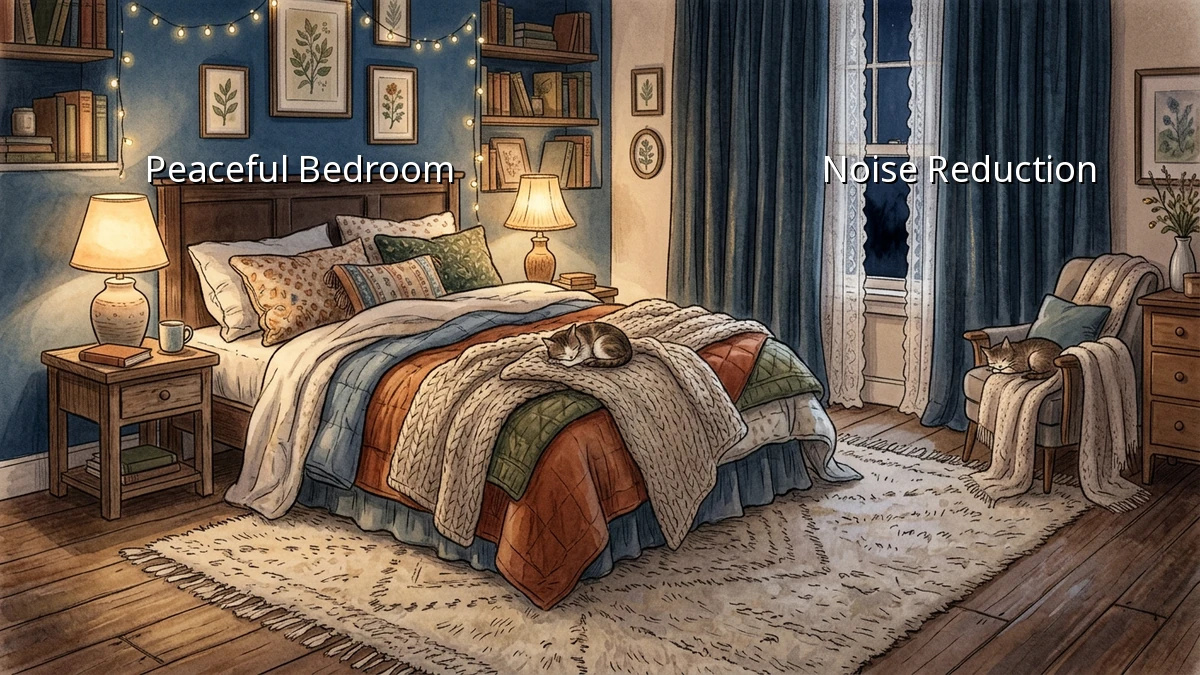
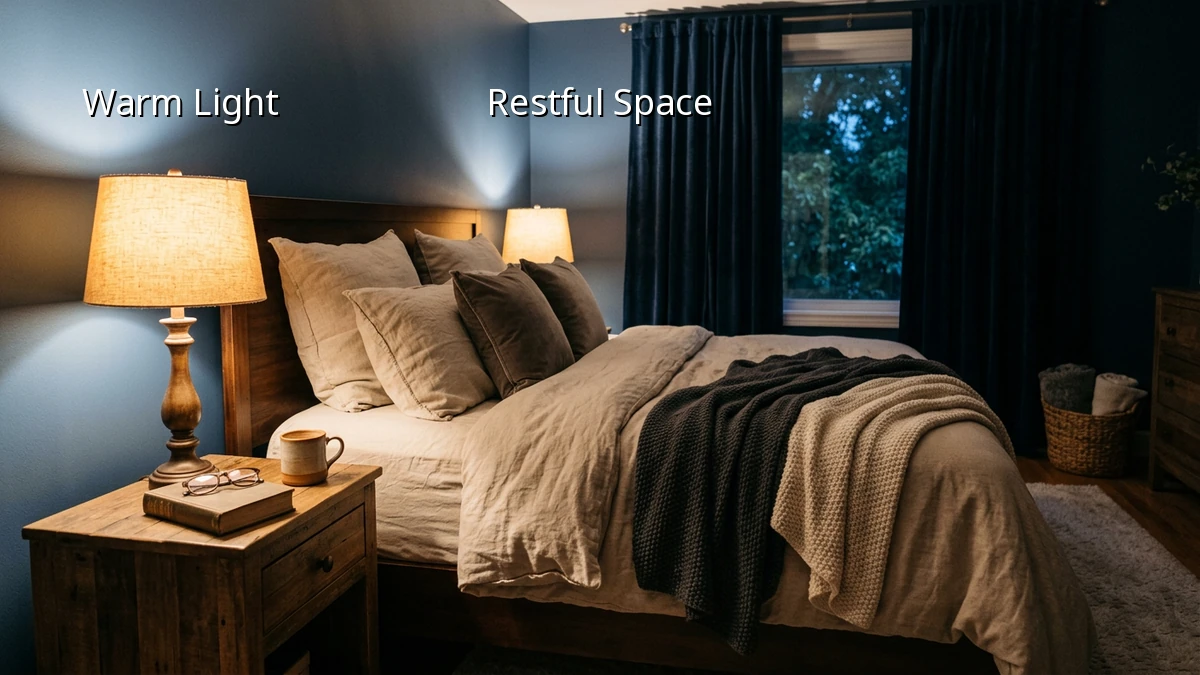
After a long day of back-to-back meetings and managing family dinner, crawling into bed should feel like entering a sanctuary, but sometimes the hum of the neighborhood or the sudden bark of a dog down the street keeps our minds racing. When we are already mentally fatigued, even the tiniest sounds can trigger our noise sensitivity and disrupt our precious rest. Creating a quiet room does not require expensive remodeling or professional soundproofing. Instead, we can focus on simple, practical sleep hygiene tips to build a peaceful bedroom that supports real sleep comfort.
The Reality of Noise Sensitivity in a Busy Life
When our schedules are packed, our nervous systems are often on high alert. By the time we lay our heads down, any sudden noise block can feel like a major disruption. It is not just about the volume; it is about how our tired brains react to unexpected sounds. Improving our sleep environment is not about achieving absolute, laboratory-like silence. It is about creating a soft, consistent auditory backdrop that allows our minds to finally let go.
Simple Soundproofing Hacks That Do not Break the Bank
You do not need to tear down your walls to improve your bedroom acoustics. Some of the most effective sound dampening solutions are things you might already have or can easily add to your space.
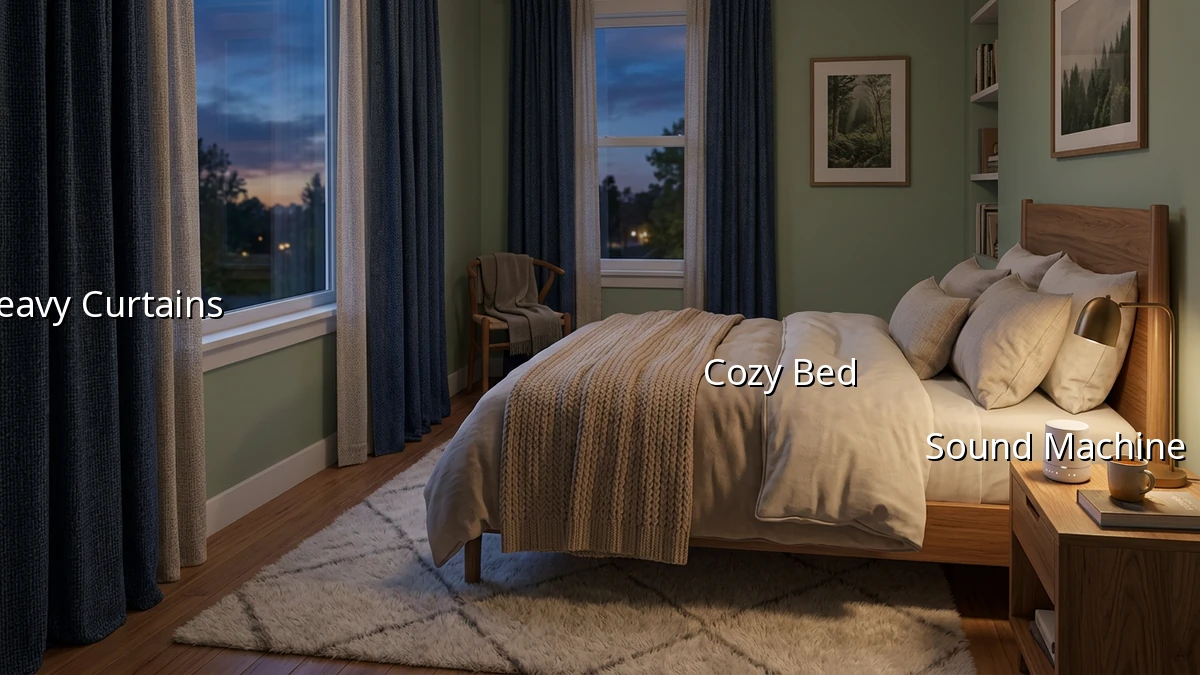
- Hang Heavy Curtains: Thick, textured drapes do wonders for blocking outside street noise. They act as a soft barrier, absorbing sound waves before they reach your ears.
- Lay Down a Bedroom Rug: If you have hardwood floors, adding a plush rug can significantly reduce echoes and footsteps, making the entire room feel more grounded and quiet.
- Rearrange the Furniture: Placing a heavy bookshelf or wardrobe against a shared wall can act as a natural sound barrier against household noise.
Embracing the Right Sounds: White Noise and Sound Machines
Sometimes, trying to block out every single sound is a losing battle. That is where a white noise machine or a dedicated sound machine comes in. Instead of fighting the silence, we can introduce a steady, soothing background sound that masks sudden spikes in noise.
A consistent hum helps blend background disturbances into the environment, making them far less noticeable. If you are new to this, you do not need to buy an expensive device right away. Many free apps offer various options, from gentle rain to deep static, allowing you to find what feels most relaxing for your unique sleep environment.
Personal Boundaries: Earplugs and Night Silence
For those nights when the world outside is particularly loud, having a reliable pair of soft earplugs on your nightstand can be a lifesaver. It is a simple, low-tech tool that gives you immediate control over your personal space.
Remember, the goal of sleep hygiene is not to create a perfect, sterile environment, but to find practical ways to reduce friction in your daily life. If a rug and a simple fan running in the corner help you sleep through the night, then you have successfully created your own calm space.
Take a look at your bedroom tonight and see if there is just one small adjustment you can make. You deserve a restful night, and even the smallest step toward a quieter room can make a wonderful difference.