Dark Bedroom Setup for Night Workers
Creating a Sanctuary: How to Set Up a Dark Bedroom for Daytime Sleep
The sun is just starting to peek through the window, casting a bright, energetic glow across the room, but all you want to do is pull the covers over your head and finally get some rest. For anyone working the night shift or managing irregular hours, trying to sleep when the rest of the world is wide awake is a unique challenge. Our bodies are naturally wired to respond to daylight, making morning sun block one of the most important steps in protecting your sleep quality.
When we talk about sleep hygiene, we often focus on wind-down routines or avoiding caffeine. But for night workers, the physical sleep space itself is the foundation of a good rest environment. Creating a dark bedroom isn't about achieving absolute, laboratory-grade darkness on day one; it is about finding practical solutions that fit your budget and your home.
The Power of Window Covers
The biggest source of light pollution in your bedroom during the day is, of course, the sun. Standard blinds often let lines of bright light leak through the sides, which can disrupt your circadian rhythm and signal to your brain that it is time to wake up.
To combat this, investing in high-quality bedroom window covers is a game-changer.
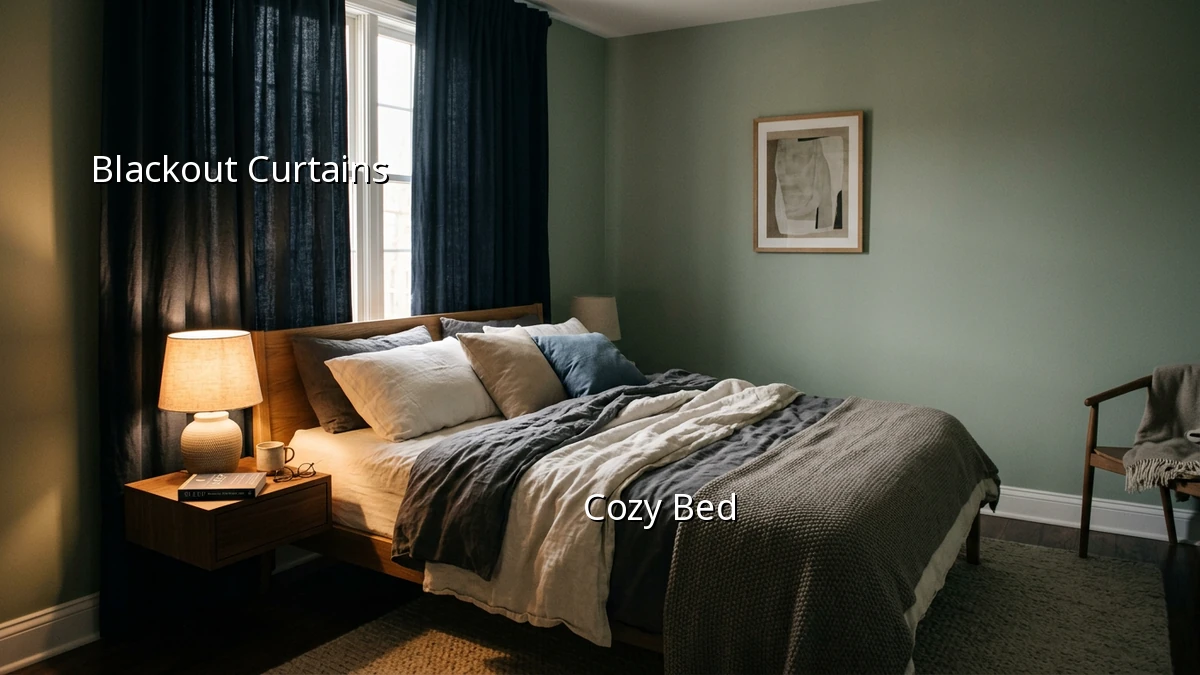
- Blackout Curtains: These are thick, specially woven curtains designed to block out nearly all incoming light. For the best results, choose curtains that extend a few inches beyond your window frame on all sides to prevent light leaks.
- Window Shades: Combining blackout curtains with snug-fitting window shades or cellular blinds creates a double barrier against the morning light block. This combination also helps with temperature control, keeping your room cool and comfortable.
Personal Light Blockers for Instant Relief
If changing your window setups isn't an option right now—perhaps you are renting or on a tight budget—personal sleep space adjustments can make a massive difference.
An eye mask for sleep is one of the most affordable and effective tools you can own. When choosing a sleep mask, look for a contoured design that doesn't put pressure on your eyelids. A soft, breathable fabric like silk or high-quality cotton ensures comfort throughout the day. It acts as a portable dark room setup, allowing you to maintain sleep environment darkness no matter where you are or what time of day it is.
Managing Indoor Light and Technology
It is not just the sun we have to worry about. Modern homes are filled with tiny glowing lights from chargers, power strips, and appliances. These small sources of evening light exposure and daytime distraction can slowly chip away at your melatonin support.
Here are a few simple ways to manage indoor sleep hygiene light:
- Dimming Bedroom Lights: Before you even climb into bed, start winding down by dimming bedroom lights in your living spaces. This gradual transition helps prepare your mind for sleep.
- Blue Light Filter: If you must use your phone or tablet after a shift, enable a blue light filter. Blue light mimics daylight and can trick your brain into staying alert.
- Smart Nightlight Selection: If you need to get up during your sleep cycle, avoid turning on bright overhead lights. Use a motion-activated nightlight with a warm red or amber glow, which is less likely to disrupt your sleep quality.
Be Gentle with Your Routine
Setting up a dark bedroom is a journey of trial and error. You don't need to transform your entire room overnight. Start with one small change, like hanging a set of blackout curtains or trying out a new sleep mask, and see how your body responds.
Your sleep is precious, and taking small, realistic steps to protect your rest environment is one of the best acts of self-care you can practice. You are doing the best you can with your schedule, and every little bit of darkness helps you get the deep, restorative sleep you deserve.