Noisy Room Fixes for Tired Parents
You finally close the bedroom door, sink into the sheets, and just as your eyes drift shut, a car rumbles down the street, or the floorboards creak downstairs. Suddenly, your brain is wide awake, tracking every tiny sound in the house. When you are already running on fumes, these little disruptions feel incredibly loud, making it so hard to get the rest you desperately need.
As parents, our minds are constantly on high alert, which makes noise sensitivity even more intense at night. We do not need a perfect, studio-grade soundproofed room to get better rest. Instead, we can focus on simple, realistic adjustments to our sleep environment that help block out the world and signal to our bodies that it is finally time to rest.
Why Noise Control Matters for Sleep Hygiene
Sleep hygiene is not just about avoiding screens before bed; it is about creating a calm space where your mind feels safe enough to let go. When we are constantly interrupted by sudden sounds, our bodies stay in a low-level state of stress.
By focusing on bedroom acoustics, we can soften the sharp edges of background noise. This does not mean we need to spend thousands of dollars on professional soundproofing. It is about finding practical ways to dampen sound so our sleep quality can naturally improve.
Simple, Budget-Friendly Ways to Soften Your Space
If you want to create a quiet room without a major renovation, the key is to add soft textures that absorb sound waves rather than letting them bounce off hard surfaces. Here are a few realistic steps you can take this weekend:
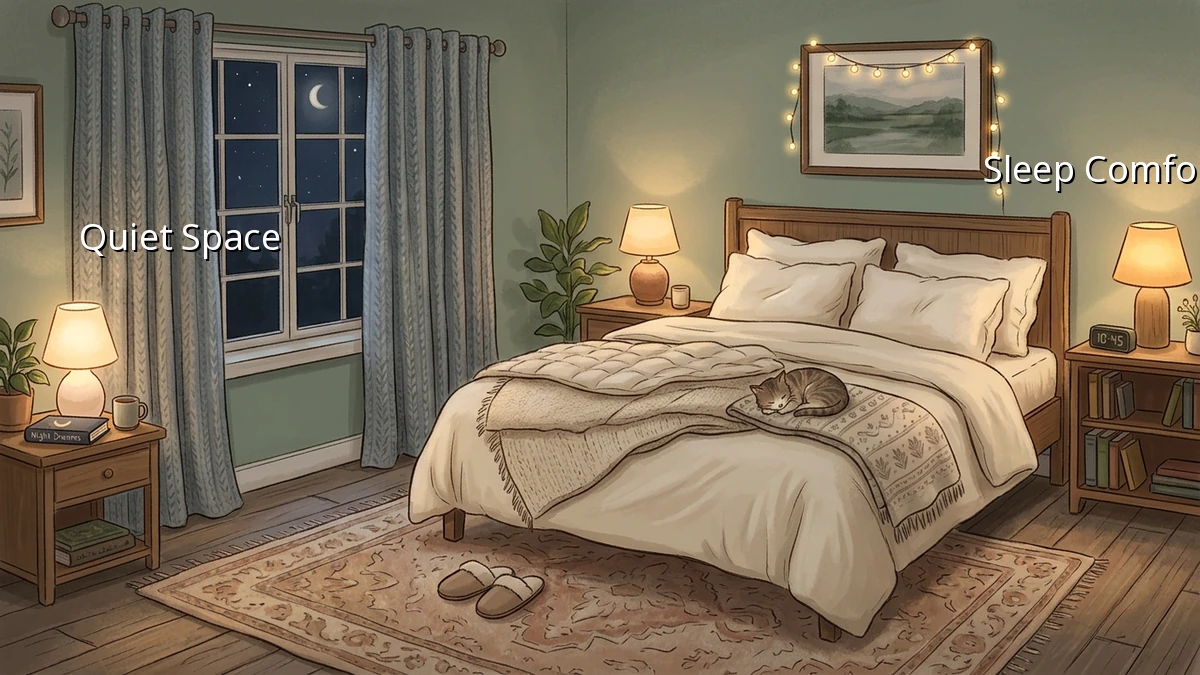
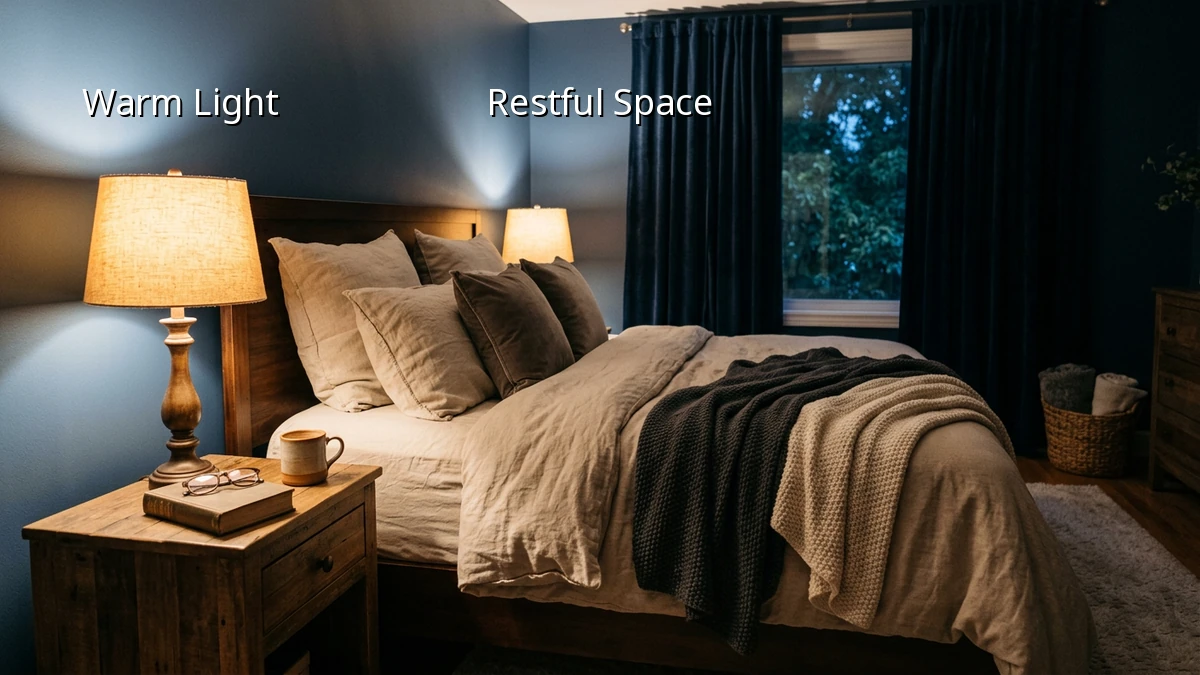
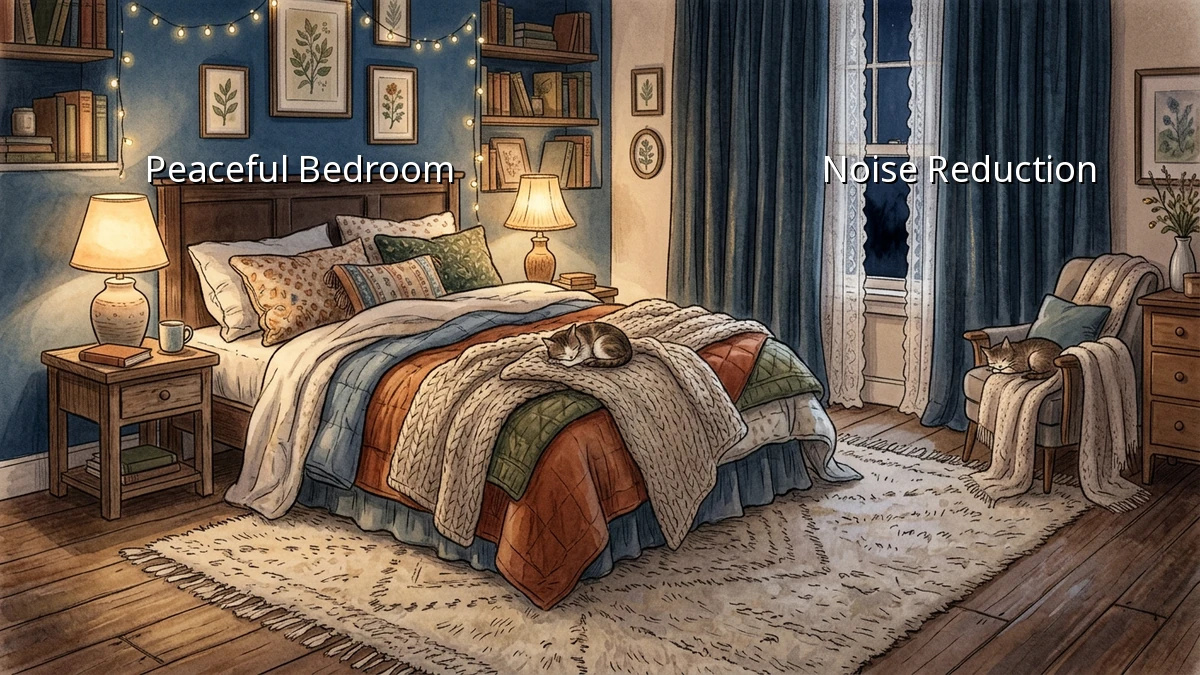
- Hang Heavy Curtains: Standard blinds do very little to block outside noise. Swapping them for thick, heavy curtains can make a noticeable difference. They act as a gentle noise block and have the added bonus of keeping your room dark and cozy.
- Lay Down a Bedroom Rug: If you have hardwood or laminate floors, sound bounces around easily. Placing a thick bedroom rug under or beside your bed helps with sound dampening, making the room feel instantly quieter and warmer underfoot.
- Seal the Door Gaps: A lot of household noise travels through the gap under the bedroom door. A simple draft stopper or a weather-stripping seal can block a surprising amount of sound from the hallway.
Sound Machines vs. Earplugs: Finding Your Comfort Zone
When physical barriers are not enough, we often have to choose between adding sound or blocking it completely. Both methods have their place in a good rest environment.
The Case for a Sound Machine
A quality sound machine or a white noise app can be a lifesaver. Instead of absolute silence, which can make sudden noises sound even louder, white noise creates a consistent, soothing background. It masks the sudden dog bark or the hum of the refrigerator, allowing your brain to relax. If you do not like high-pitched static, try brown noise, which has a deeper, rumbling tone that feels like a gentle waterfall.
The Case for Earplugs
If you prefer complete night silence, earplugs are a classic choice. However, many parents worry about not hearing their children. If that is a concern, look for high-fidelity earplugs designed to reduce decibels without completely blocking out high-pitched sounds like a crying child or an alarm. It is all about finding that balance where you feel safe but still insulated from minor distractions.
Be Gentle with Your Progress
Creating a peaceful bedroom is a journey, not an overnight fix. You do not have to implement every single sleep hygiene tip at once. Start with one small change, like putting down a cozy rug or trying a new white noise setting tonight.
Remember, you are doing the best you can with the time and energy you have. Even a slight reduction in background noise can give your mind the breathing room it needs to drift off into a deeper, more restorative sleep. You deserve a quiet space to recharge.