Dim Bedroom Lights for Busy Parents
The house is finally quiet, the toys are scattered across the living room rug, and yet my mind is still racing at a hundred miles an hour. If you are a parent, you know this feeling all too well. We spend our days managing schedules, work, and family needs, only to find ourselves staring at the ceiling when we finally get into bed.
One of the simplest shifts I made to reclaim my evenings did not involve a complicated ten-step routine. It was simply changing how I use light in our home as the sun goes down.
Why Evening Lighting Matters for Tired Minds
Our bodies rely on natural cues to understand when it is time to stay active and when it is time to rest. This is our circadian rhythm, and it is highly sensitive to light exposure. When we keep our homes brightly lit late into the evening, we accidentally signal to our brains that it is still daytime. This delays the natural melatonin support our bodies need to transition into a restful state.
For those of us juggling a million things, creating a transition zone between the busy day and sleep is essential. By consciously managing our sleep environment, we can signal to our nervous system that the workday is officially over.
Practical Steps to Dim the Day
You do not need to rewire your entire house or spend a fortune to improve your sleep hygiene habits. Here are a few realistic adjustments that fit easily into a busy family schedule:
1. Embrace the Power of Dimming Lights
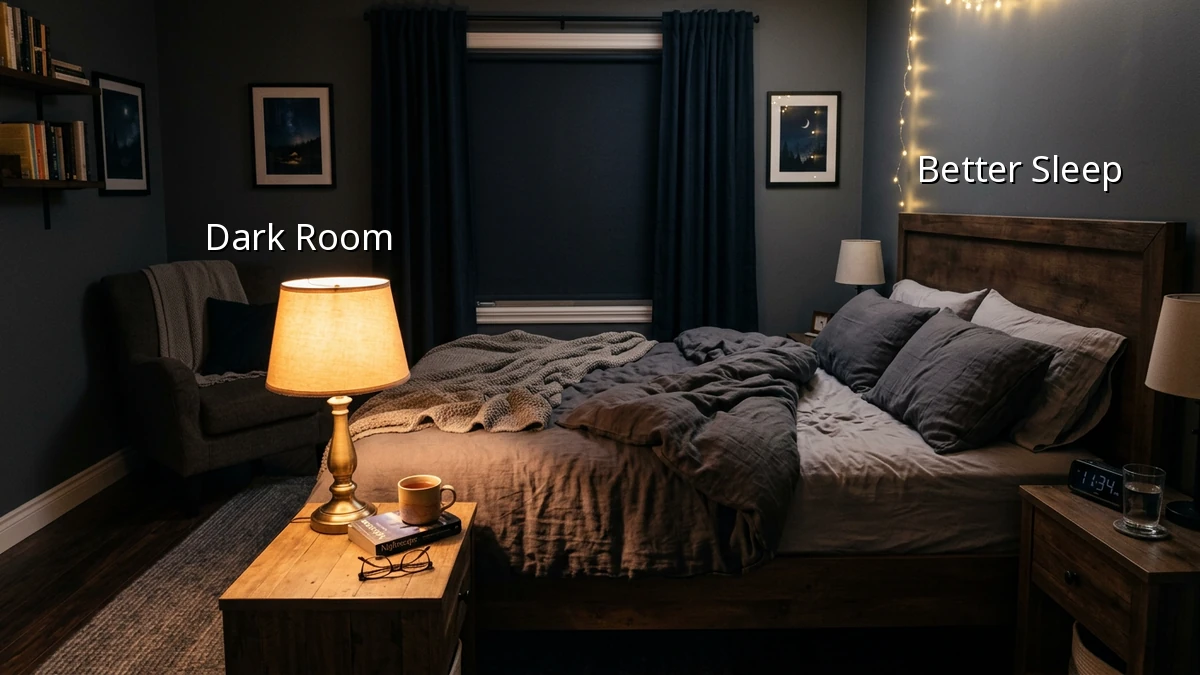
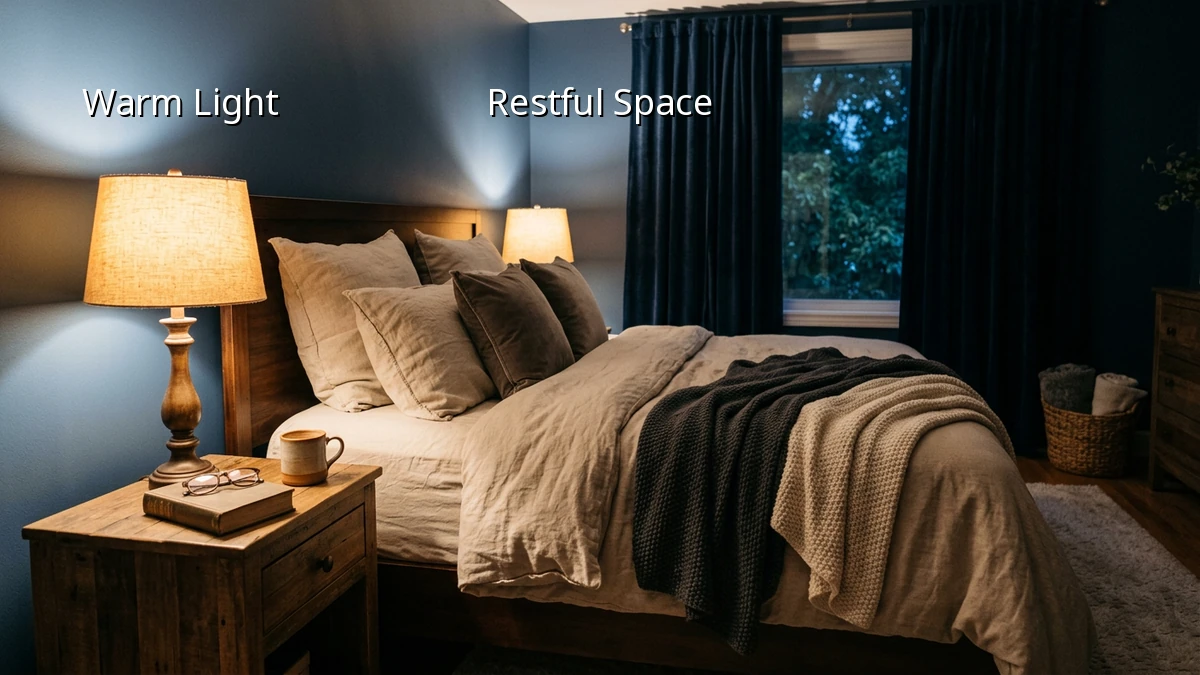
About an hour or two before you want to sleep, start turning off overhead lights. Instead, rely on bedside lamps or low-wattage warm bulbs. If you have dimming lights, slide them down to a soft glow. This gradual reduction in light mimics the natural sunset, helping your mind wind down naturally.
2. Create a True Dark Room
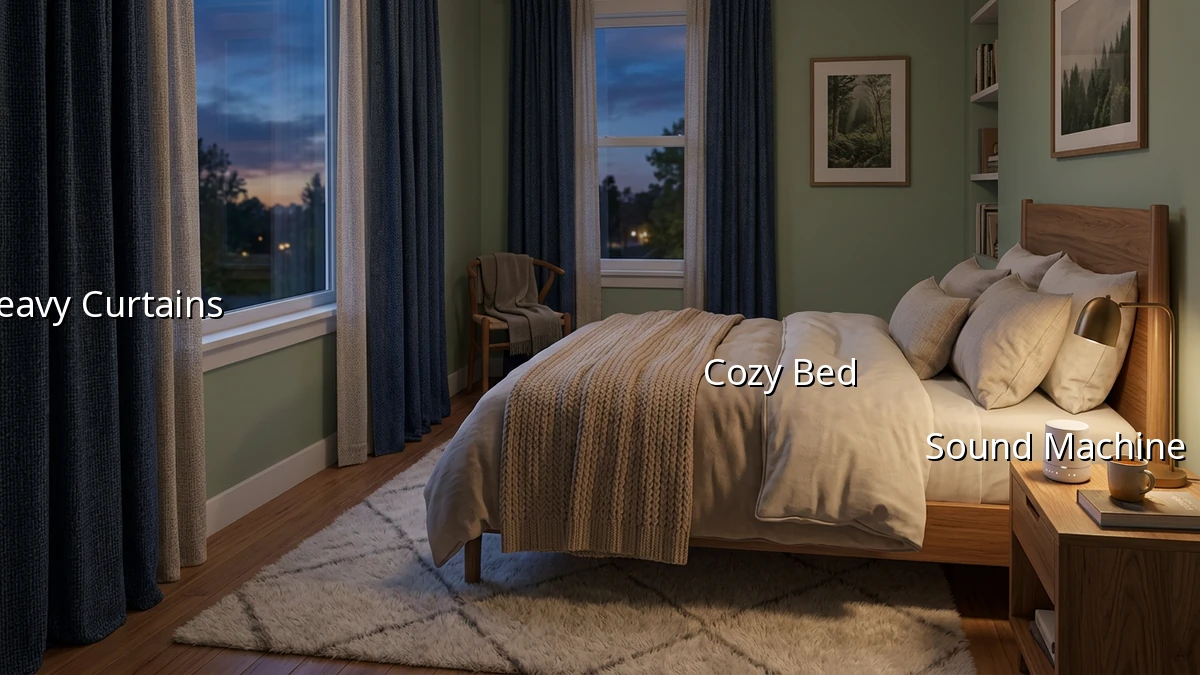
Even small amounts of light pollution from streetlights or electronics can disrupt your sleep quality. Consider installing blackout curtains or simple window shades in your bedroom. If changing your window treatments feels like too much work right now, a comfortable, soft sleep mask is a wonderfully simple and budget-friendly alternative that blocks out unwanted light instantly.
3. Minimize the Blue Light Block
We all know we should put our phones away, but when the evening is your only free time, scrolling is tempting. If you cannot avoid screens, try using a blue light block setting on your devices or wearing amber-tinted glasses. Better yet, swap the screen for a physical book under a soft reading light.
4. Use a Gentle Nightlight for Midnight Wake-ups
If you have young children, nighttime wake-ups are inevitable. Instead of flipping on a bright overhead light that shocks your system awake, place a low-intensity, warm-colored nightlight in the hallway or bathroom. This keeps the environment safe to navigate while keeping your body in a sleepy state.
Finding Your Own Balance
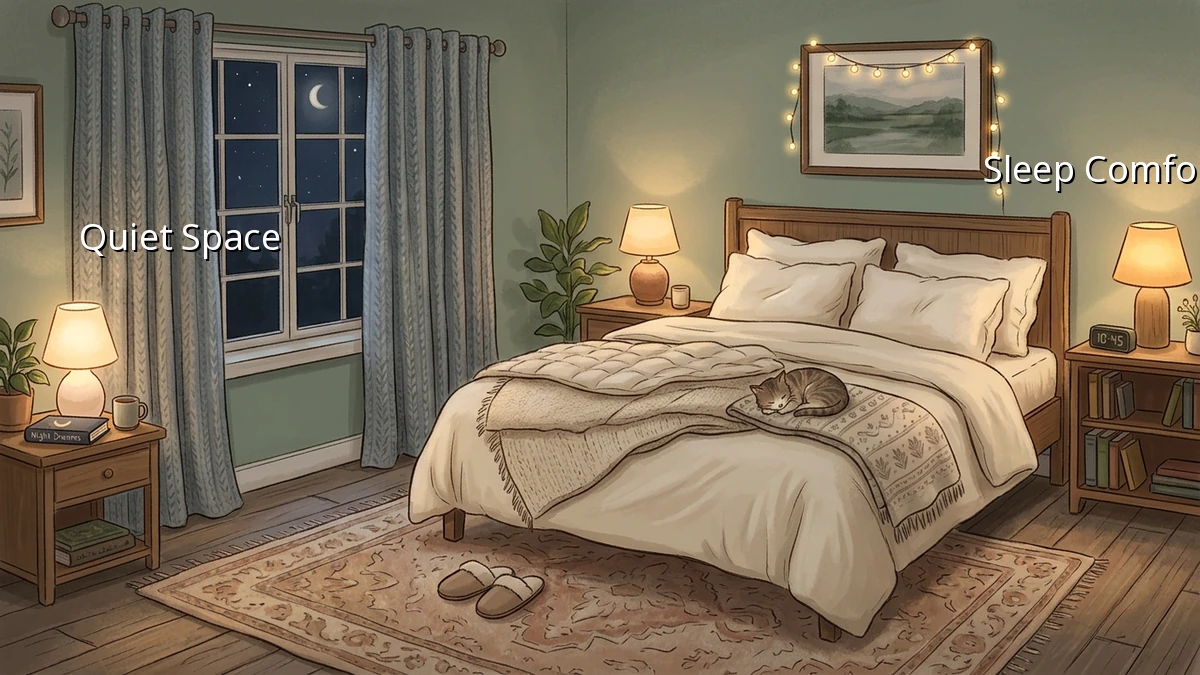
Creating a supportive sleep comfort zone is not about achieving absolute perfection. Some nights, the laptop stays open late, or a child needs a bright light to find a lost toy. That is just real life.
Instead of worrying about making your bedroom a perfectly dark chamber every single night, focus on small, sustainable changes. Start by turning off just one extra light tonight and see how your body responds. You deserve a peaceful space to rest and recharge for tomorrow.