Dim Lights for Better Night Sleep
Dim Lights for Better Night Sleep
The laptop screen finally goes dark, the toys are cleared from the living room floor, but as you flip the main hallway switch, the sudden glare makes your eyes wince and instantly wakes your tired brain right back up. We have all been there. After a long, demanding day, all we want is to drift off into a peaceful sleep, yet our homes often remain as bright as a midday supermarket right up until we close our eyes.
Managing our sleep environment does not require a complete lifestyle overhaul or expensive gadgets. It is about making small, sustainable adjustments to how we handle light exposure in the evening. By understanding how light control affects our sleep hygiene, we can gently signal to our bodies that it is time to wind down.
Why Light Control Matters for Your Circadian Rhythm
Our bodies rely on natural cues to regulate our sleep-wake cycle, also known as the circadian rhythm. When darkness falls, our brains naturally begin melatonin support, releasing the hormone that makes us feel sleepy. However, modern evening lighting—especially the cool, blue light from screens and bright overhead bulbs—tricks our minds into thinking it is still daytime.
This light pollution in our own homes keeps our cortisol levels up and delays that cozy, ready-for-bed feeling. You do not need to sit in complete darkness the moment the sun goes down, but gradually dimming lights as the evening progresses can make a world of difference in your sleep quality.
Simple Steps to Create a Rest Environment
Creating a dark room that promotes sleep comfort does not have to be complicated. Here are a few practical ways to adjust your bedroom setup and evening routines without adding stress to your busy schedule:
-
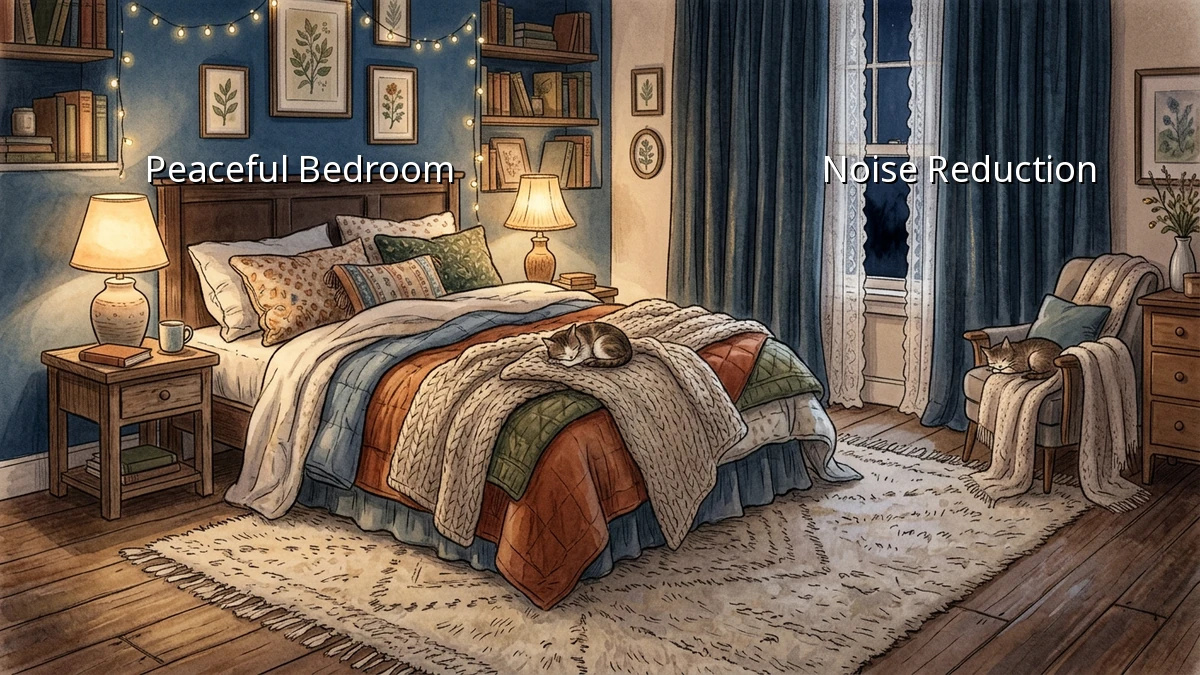
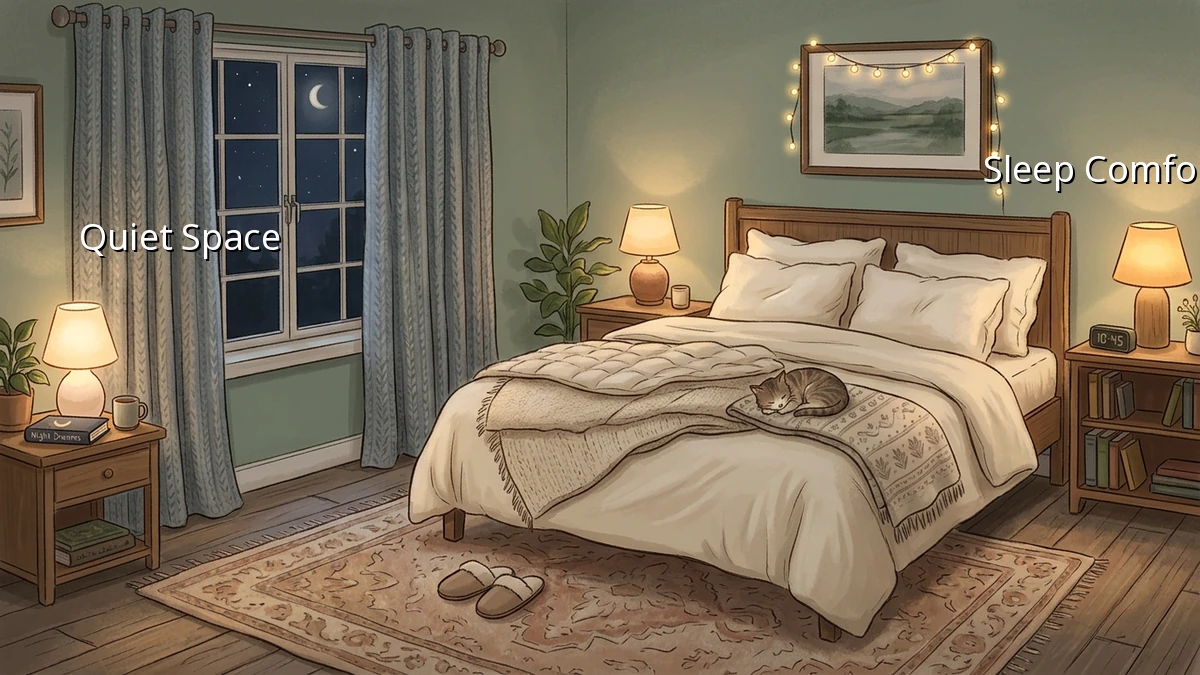
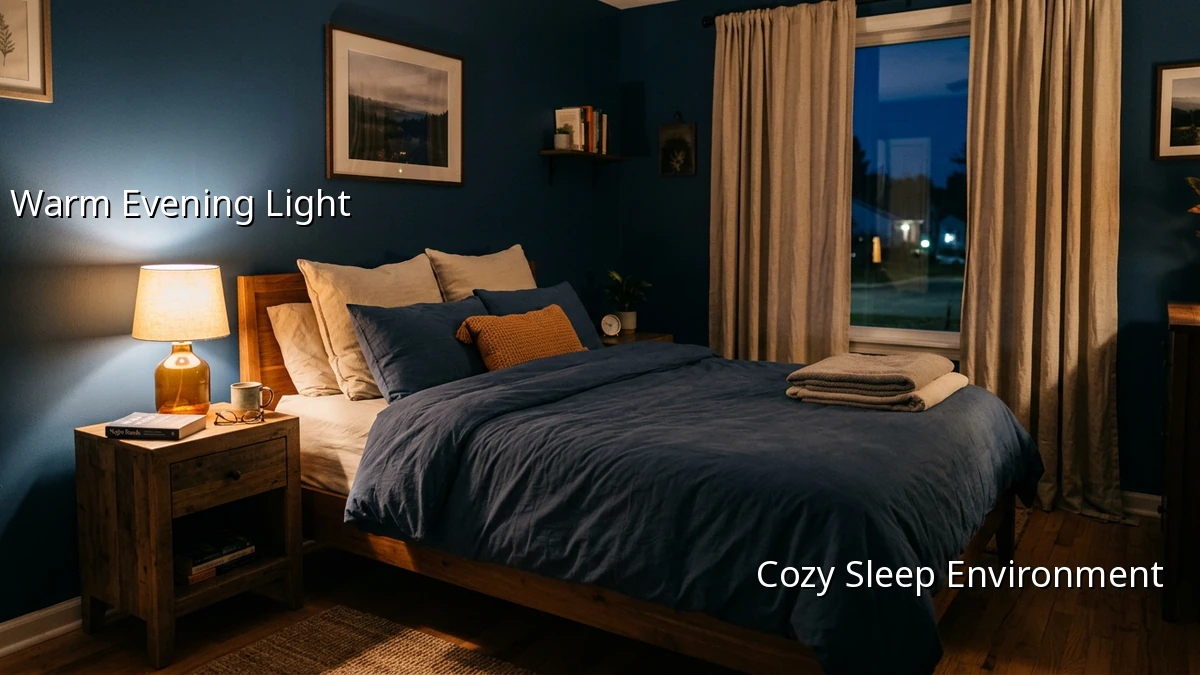
Embrace Evening Lighting: About an hour or two before bed, switch off the bright overhead lights and rely on warm-toned lamps instead. This simple shift immediately changes the mood of your home and helps your mind transition into relaxation mode.
-
Address Window Light: If streetlights or early morning light stream through your windows, consider blackout curtains or simple window shades. Blocking out external light pollution helps maintain bedroom darkness throughout the night.
-
Try a Sleep Mask: If installing new curtains feels like too much work right now, a soft sleep mask is a budget-friendly and highly effective alternative. It is a simple tool that provides instant darkness wherever you are.
-
Use a Gentle Nightlight: If you need to get up in the middle of the night, avoid flipping on the main bathroom light. A low-wattage, warm-colored nightlight keeps you safe without fully waking up your brain.
Progress Over Perfection in Your Sleep Environment
It is easy to feel overwhelmed by sleep hygiene habits and think you need to live in a cave to get good rest. But wellness is not about perfection. If you cannot block out every single speck of light, or if your partner prefers a different bedroom setup, that is completely okay.
Maybe tonight you just turn off one extra lamp, or put your phone away thirty minutes earlier to reduce blue light block challenges. Small, consistent changes are far more powerful than trying to do everything at once.
Listen to your body, make adjustments that fit your actual life, and remember that any step toward a calmer, darker rest environment is a win for your wellbeing. Sleep well, and be gentle with yourself as you find what works.