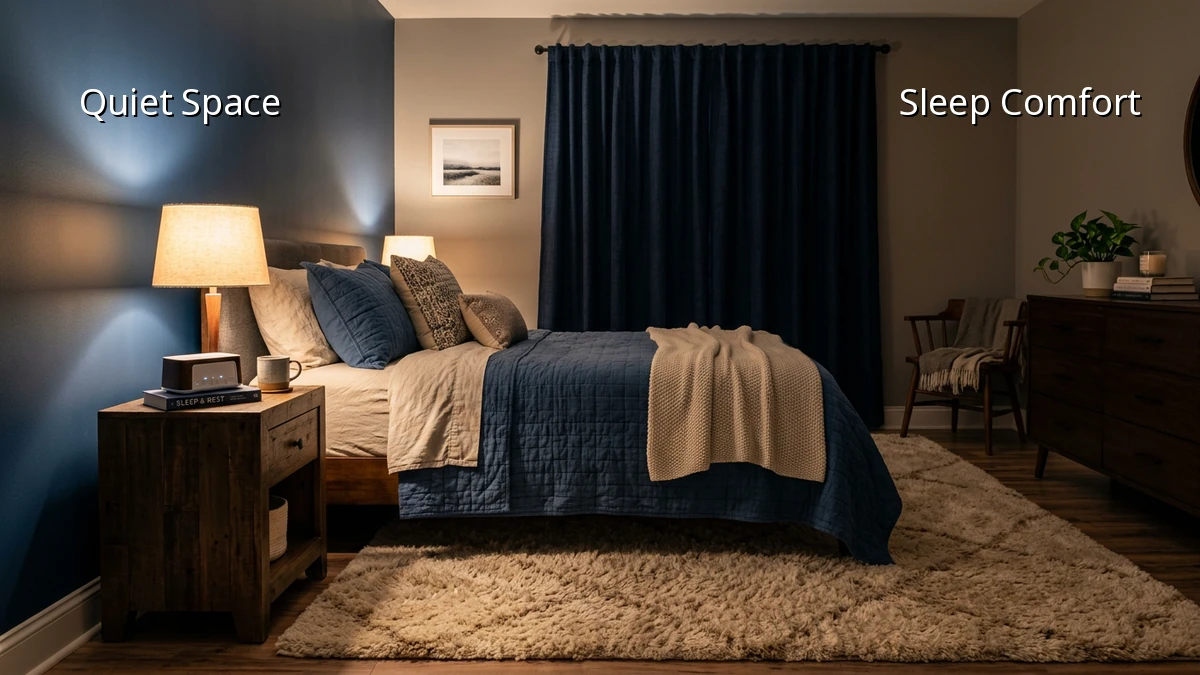
Cool Room for Deep Night Sleep
There is a specific kind of heavy sigh that escapes when you finally crawl into bed after a long, chaotic day, only to realize the sheets feel like a warm oven. You are exhausted, your mind is buzzing with tomorrow's to-do list, and now you have to battle the heat just to drift off. We have all been there, tossing and turning, flipping the pillow to the 'cool side' every ten minutes.
Creating a comfortable sleep climate is not about turning your bedroom into an icebox or buying expensive climate-control systems. It is about simple, practical adjustments to your bedroom setup that help your body naturally wind down. Let's look at some easy ways to improve your sleep quality by keeping things cool and comfortable.
The Power of Airflow and Ventilation
When it comes to sleep hygiene tips, bedroom ventilation is often overlooked. We tend to focus on the thermostat setting, but stagnant air can make even a cool room feel stuffy and uncomfortable. Getting the air moving is one of the easiest ways to improve thermal comfort.
If the night air is pleasant, opening a window just a crack can work wonders. But when the outdoor air is humid or too warm, relying on a bedroom fan is a game-changer. Instead of pointing the fan directly at your face, try angling it toward a wall or window to encourage gentle air circulation. This creates a subtle breeze that helps evaporate moisture from your skin, keeping those annoying night sweats at bay.
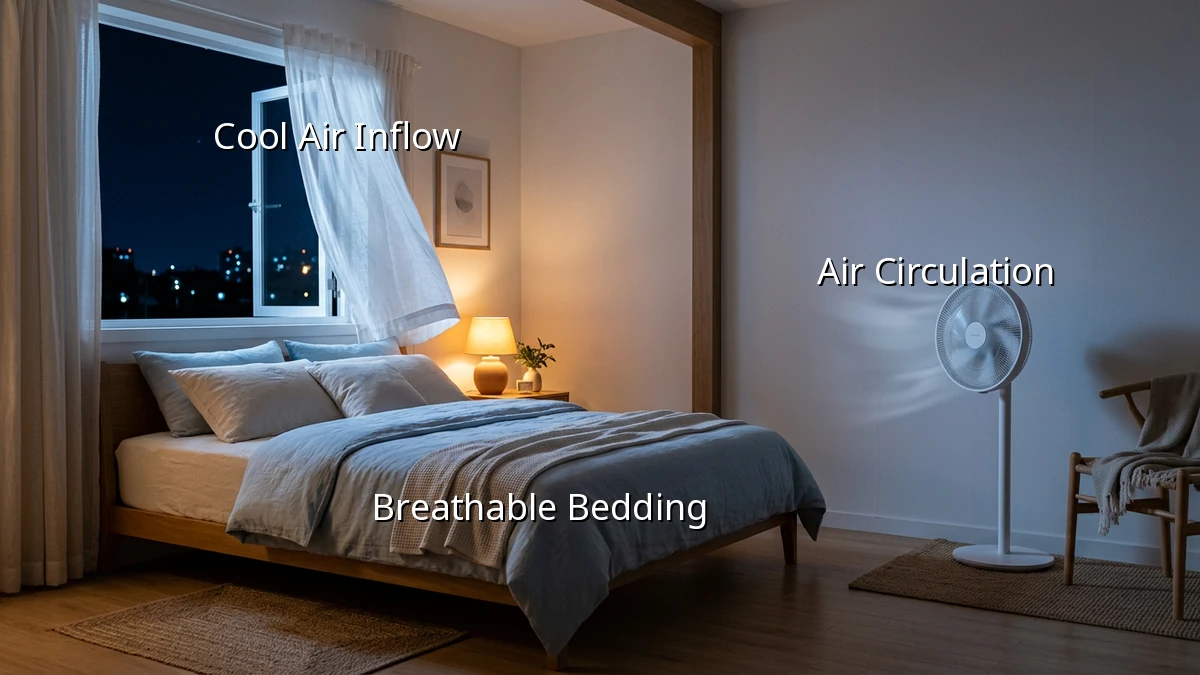
A simple trick I love is placing a fan near an open window to pull the cooler night air inside, creating a natural cross-breeze. It is a small change that makes the entire rest environment feel fresh and inviting.
Choosing Breathable Bedding
Your mattress and sheets are in direct contact with your skin all night, so they play a massive role in temperature control. If you are sleeping on synthetic fabrics, they might be trapping your body heat.
Switching to breathable bedding can make a world of difference. Look for lightweight materials like cotton or bamboo. These fabrics allow heat to escape rather than keeping it locked in around you.
- Cooling Sheets: Lightweight, natural fibers help wick away moisture and keep you dry.
- Cooling Pillow: A pillow that does not trap heat can keep your head cool, which is essential for signaling to your brain that it is time to sleep.
- Cooling Mattress Protectors: If you are not ready to invest in a new cooling mattress, a breathable mattress topper or protector can help improve airflow beneath your body.
These small upgrades do not have to break the bank, but they can significantly enhance your sleep comfort.
Finding Your Ideal Sleep Temperature
We often hear that the 'perfect' room temperature for sleep is around 65 to 68 degrees Fahrenheit. While that sounds great in theory, everyone's body is different, and utility bills are very real. Finding a balance that works for your budget and your comfort is key.
Instead of freezing the whole house, try lowering the thermostat just a couple of degrees right before bed. You can also use a programmable thermostat to let the temperature rise slightly in the early morning hours when your body temperature naturally begins to climb.
Remember, sleep hygiene is not about perfection. It is about finding what works for your daily life and your family. If you cannot change your entire bedroom setup today, start with one small thing—maybe just cracking the window or switching to a lighter blanket. Your body will thank you for the extra breathing room, and you might just find yourself waking up feeling a little more rested and ready for whatever tomorrow brings.