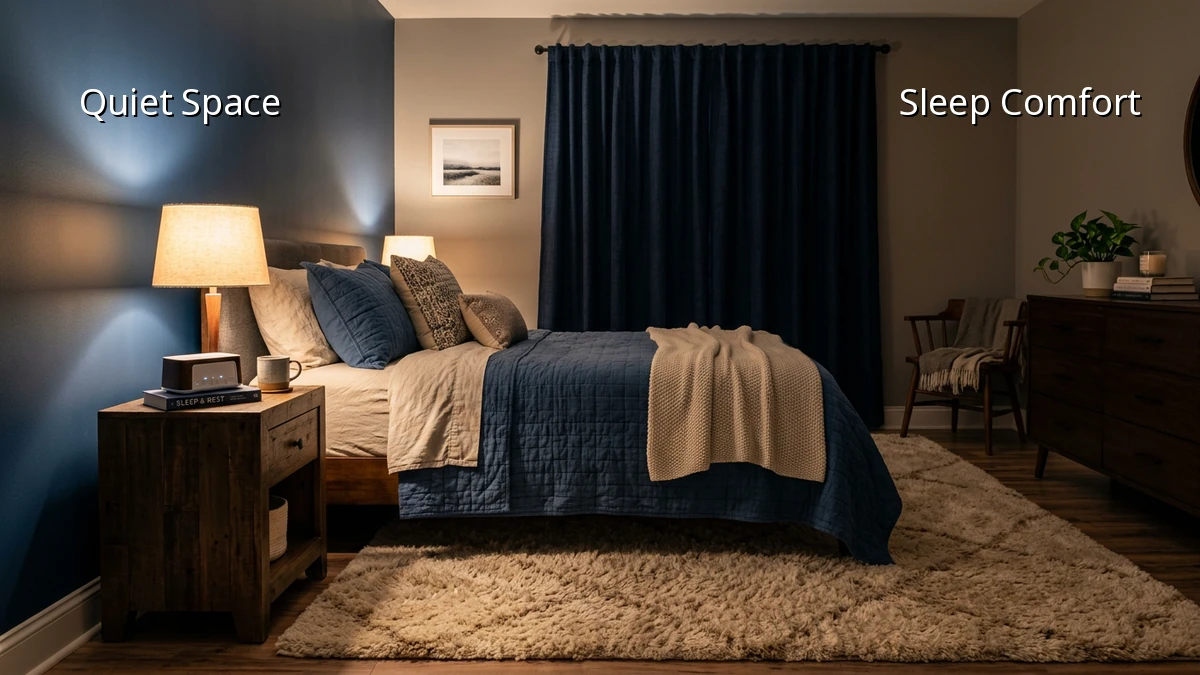
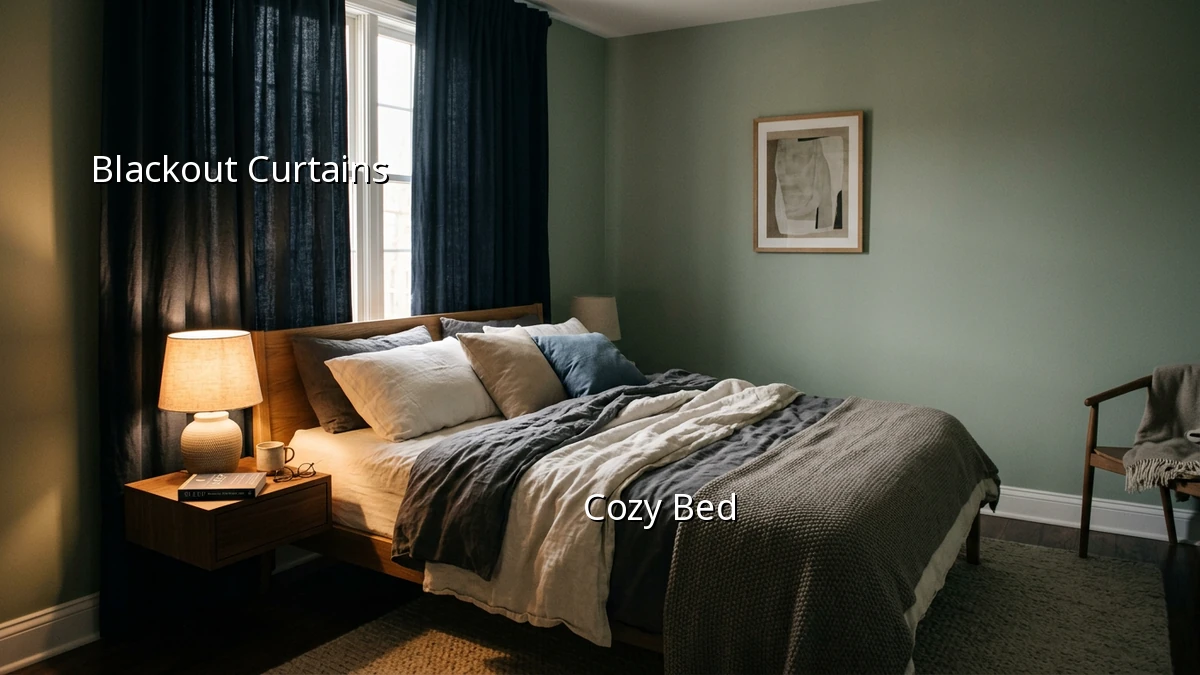
Dark Room for Deep Night Sleep
The faint glow of a streetlamp slipping through the edge of the window shades, or the tiny, persistent green light of a phone charger on the nightstand—sometimes, it is the smallest details that keep our minds from truly settling down at night. After a long day of juggling work, family, and endless to-do lists, crawling into bed should feel like an instant relief. Yet, many of us find ourselves tossing and turning, wondering why deep, restorative rest feels so elusive.
It turns out that our sleep environment plays a massive role in how quickly we drift off and how deeply we sleep. Creating a dark space is not just about blocking out the world; it is about sending a clear signal to our bodies that it is safe to rest. Let us explore some simple, realistic ways to optimize your bedroom darkness without turning your home into a construction zone.
Why Darkness Matters for Your Circadian Rhythm
Our bodies are naturally wired to respond to light and darkness. This internal clock, known as the circadian rhythm, relies heavily on environmental cues to regulate our sleep-wake cycle. When the sun goes down, our brains are supposed to naturally produce melatonin, the hormone that makes us feel sleepy.
However, modern life is filled with light pollution. From the blue light emitted by our smartphones and tablets to the bright streetlights outside, our brains are constantly being tricked into thinking it is still daytime. Even a tiny amount of light exposure during the night can disrupt melatonin production, leading to lighter, less refreshing sleep. By focusing on light control, we can help our bodies naturally transition into a deeper state of rest.
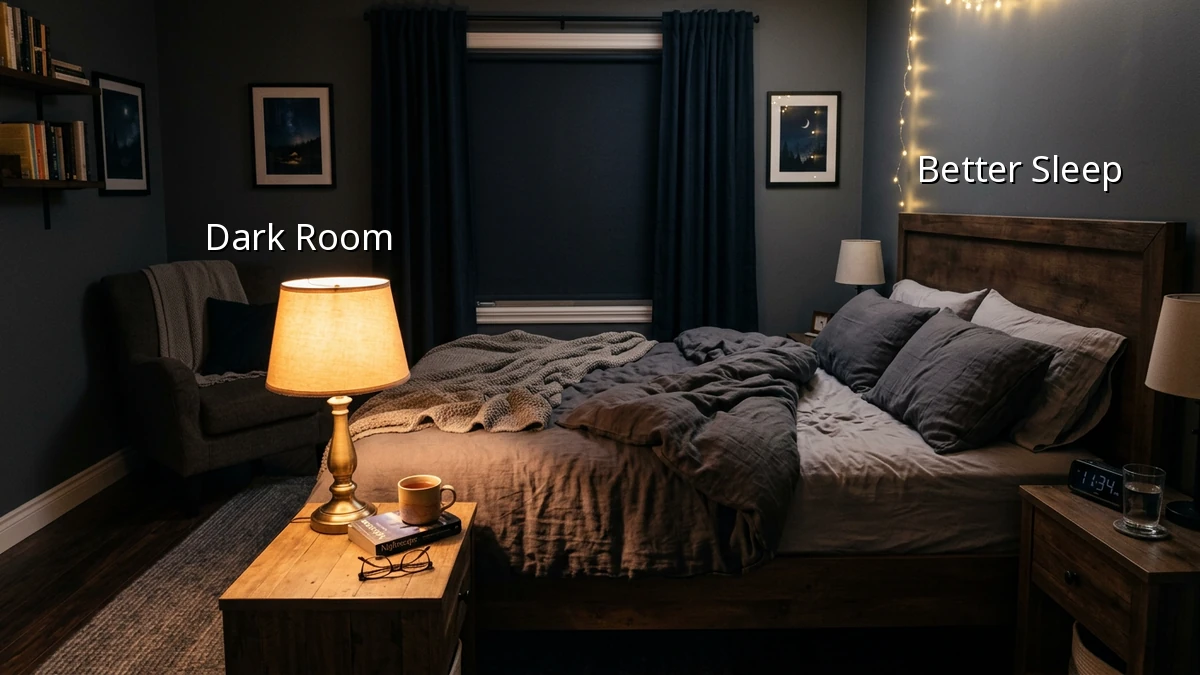
Practical Steps to Darken Your Bedroom
You do not need to completely remodel your room to see a difference. Here are a few practical, budget-friendly adjustments you can try tonight:
- Upgrade Your Window Treatments: Standard blinds often let in a surprising amount of light. Adding blackout drapes or simple window film can make a dramatic difference, especially if you live in an area with bright streetlights. If new curtains are not in the budget right now, even adjusting your existing window shades to close more tightly can help.
- Tackle the Tiny Lights: Take a quick look around your bedroom in the dark. You might be surprised by how many tiny LED lights are glowing from chargers, power strips, or air purifiers. Covering these with small pieces of light blocking tape is an incredibly satisfying and cheap fix.
- Embrace the Sleep Mask: If you cannot control all the light sources—perhaps you are traveling or your partner prefers a different setup—a high-quality sleep mask is a game-changer. Look for one that is soft, contoured, and does not put pressure on your eyes.
- Rethink Your Nightlight: If you need some light for midnight trips to the bathroom, avoid bright white or blue lights. Instead, opt for a dim, motion-activated nightlight with a warm red or amber glow, which is much less disruptive to your sleep cycle.
The Evening Dimming Routine
Preparing your bedroom setup is only half the battle; we also need to prepare our minds. Incorporating an evening dimming routine can help bridge the gap between a busy day and a restful night. Try dimming the main lights in your living space about an hour before bed, switching to warm lamps instead. This gradual shift mimics the natural sunset, telling your brain that it is time to wind down.
Finding Your Own Balance
At the end of the day, sleep hygiene tips are meant to serve you, not stress you out. You do not need a perfectly pitch-black room to experience better sleep quality. Start with one small change—perhaps putting on a sleep mask or dimming your phone screen an hour earlier—and see how your body responds. Every small step toward a darker, quieter space is a step toward waking up feeling just a little more refreshed and ready for the day ahead. You are doing great, so give yourself permission to rest tonight.