Cool Bedroom for Deep Night Sleep
Tossing and turning on a warm night, trying to find that one elusive cool spot on the pillow, is a feeling many of us know all too well. When the bedroom feels like a sauna, getting a restful night of sleep can feel almost impossible. We often focus on dimming the lights or cutting out screen time, but managing our sleep temperature is just as crucial for a healthy sleep hygiene routine.
Creating a cool bedroom setup doesn't mean you need to completely overhaul your home or spend a fortune on high-tech gadgets. It is about making small, sustainable adjustments to your rest environment so your body can naturally wind down and recover from a busy day.
Why Sleep Temperature Matters for Your Rest
Have you ever noticed how much easier it is to drift off when the room has a slight chill? Our bodies are designed to cool down naturally as we prepare for sleep. This drop in core body temperature is a signal to our brain that it is time to rest. When our bedroom setup is too warm, it disrupts this natural process, leading to shallow sleep, frequent wakeups, and those uncomfortable night sweats.
By focusing on temperature regulation, we support our body's natural rhythm. Keeping your sleep climate comfortable is not just about luxury; it is a practical way to improve your sleep quality without adding extra stress to your daily routine.
Simple Adjustments for a Cooler Sleep Climate
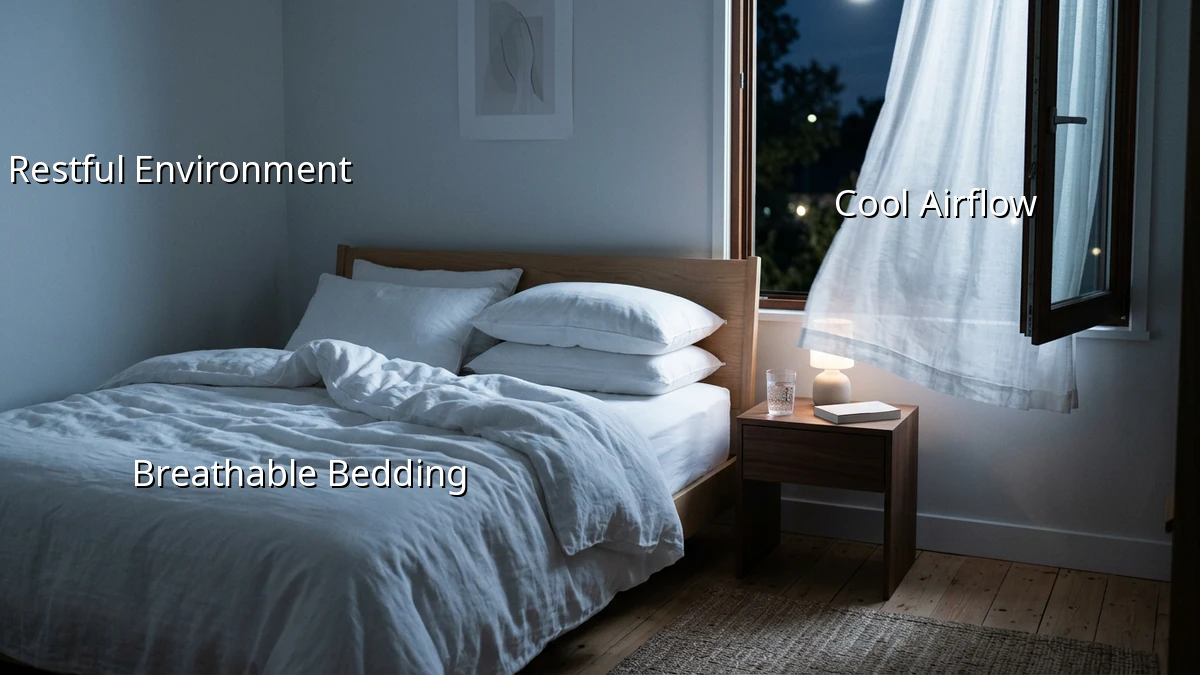
You don't need to keep your air conditioning running at freezing temperatures all night to get good rest. Instead, we can look at simple ways to improve airflow and ventilation.
- Find Your Thermostat Sweet Spot: Most sleep experts suggest a room temperature between 60 and 67 degrees Fahrenheit (15 to 19 degrees Celsius). However, everyone is different. Try lowering your thermostat by just one or two degrees tonight and see how your body responds.
- Utilize a Bedroom Fan: A simple bedroom fan can do wonders. Instead of pointing it directly at your face, try placing it near an open window to encourage cross-ventilation, or angle it to create a gentle, indirect breeze that keeps the air moving.
- Manage Daytime Heat: Keep your blinds or curtains closed during the hottest parts of the day. This simple habit prevents your bedroom from trapping heat, making night cooling much easier when bedtime arrives.
Choosing the Right Bedding for Temperature Regulation
The fabrics we wrap ourselves in play a massive role in how we feel throughout the night. Heavy, synthetic materials tend to trap heat, while breathable bedding allows your skin to breathe.
- Switch to Breathable Bedding: Materials like cotton, linen, or bamboo are excellent for airflow. They help wick away moisture, reducing the chances of waking up feeling sticky.
- Consider Cooling Sheets and Pillows: If you struggle with night sweats, investing in cooling sheets or a cooling pillow can make a noticeable difference. These products are designed to disperse heat rather than trap it around your head and shoulders.
- Layer Your Blankets: Instead of one heavy duvet, use multiple thin, breathable layers. This way, if you feel too warm in the middle of the night, you can easily toss one layer off without going from too hot to freezing.
Small Sleep Hygiene Habits for Night Cooling
Improving your sleep hygiene habits doesn't have to feel like a chore. Here are a few gentle adjustments you can easily weave into your evening:
- Take a Warm Shower Before Bed: It might sound counterintuitive, but a warm shower actually helps lower your core body temperature. When you step out of the warm water into a cooler room, your body temperature drops, signaling that it is time for sleep.
- Hydrate Mindfully: Keeping a glass of cool water by your bedside can be incredibly comforting. A quick sip of water can help regulate your internal temperature if you wake up feeling warm.
- Keep Your Feet Cool: If you find yourself overheating, try sticking one foot out from under the covers. It is a simple trick that helps release excess body heat quickly.
Finding Your Own Comfort Zone
Creating the perfect sleep environment is a personal journey, and there is no single 'right' way to do it. Some nights will be better than others, and that is completely okay. You don't need a perfect, state-of-the-art cooling mattress or a flawless routine to get better rest.
Start with one small change tonight—whether that is adjusting your thermostat by a single degree, switching to a lighter pillowcase, or turning on a fan. Be gentle with yourself as you find what works best for your body, and sleep well.