Cool Room for Better Night Rest
There is nothing quite like that heavy, restless feeling when you toss and turn in a bed that feels just a few degrees too warm, watching the clock tick closer to morning. After a long day of balancing work, family, and endless to-do lists, your bedroom should feel like a sanctuary, not a sauna. Yet, so many of us struggle to get quality rest simply because our sleep environment is holding onto too much heat.
Getting a good night's sleep is not about achieving perfection; it is about making small, sustainable adjustments that help your body naturally wind down. Let's explore some simple, practical ways to cool down your bedroom and improve your sleep hygiene without turning your life upside down.
Finding Your Ideal Sleep Climate
Our bodies naturally need to cool down to initiate sleep. When the room temperature is too high, it disrupts this natural process, leading to night sweats and frequent waking.
Most sleep experts suggest keeping your bedroom thermostat set between 60 and 67 degrees Fahrenheit (15 to 19 degrees Celsius). Of course, everyone's comfort level is slightly different. If running the air conditioner at that temperature feels too chilly or drives up your energy bill, try finding a realistic middle ground. Even lowering the temperature by just one or two degrees before you head to bed can make a noticeable difference in how quickly you drift off.
Smart Airflow: Fans and Ventilation
Sometimes, it is not just about the temperature on the thermostat, but how the air moves through the room. Stagnant air can make a bedroom feel much warmer than it actually is.
A simple bedroom fan can be a lifesaver. Instead of pointing it directly at your face, which can dry out your eyes and sinuses, try positioning it to create a gentle cross-breeze. If you have a ceiling fan, make sure it is set to run counterclockwise during warmer months to push cool air straight down. Opening a window slightly to encourage natural ventilation can also help refresh the room, especially during those cooler evening hours.

Layering for Comfort: Breathable Bedding
If you are still waking up warm, it might be time to look at what is directly touching your skin. Heavy blankets and synthetic fabrics tend to trap body heat, creating a microclimate of warmth right under the covers.
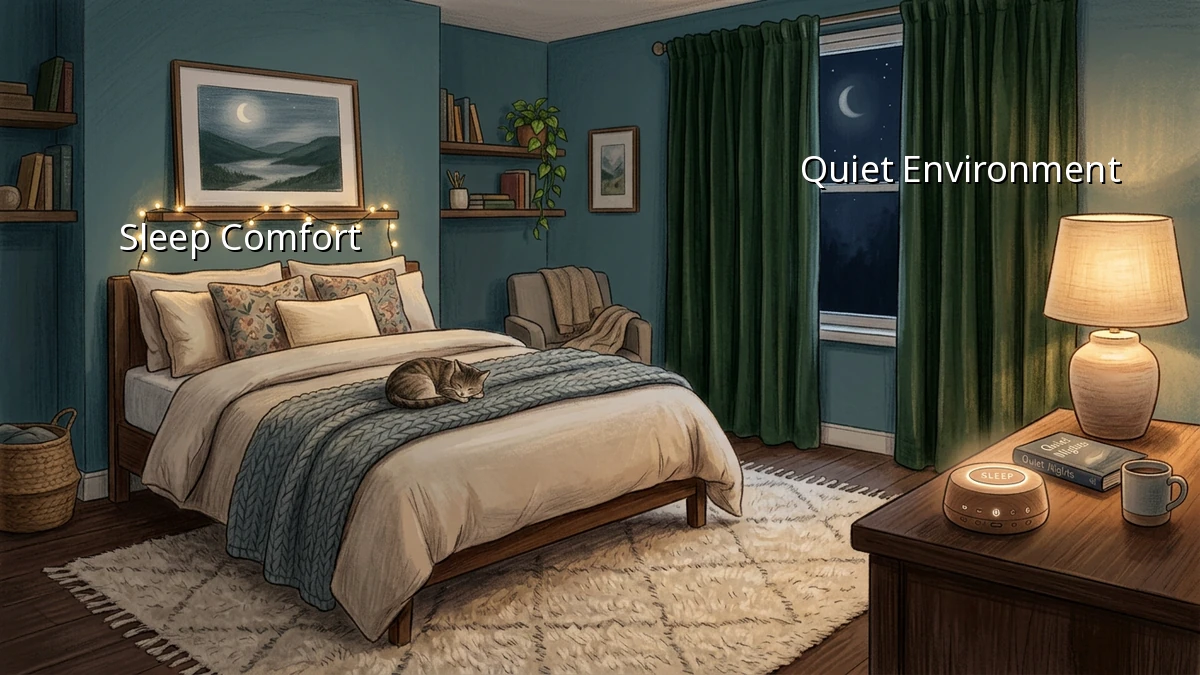
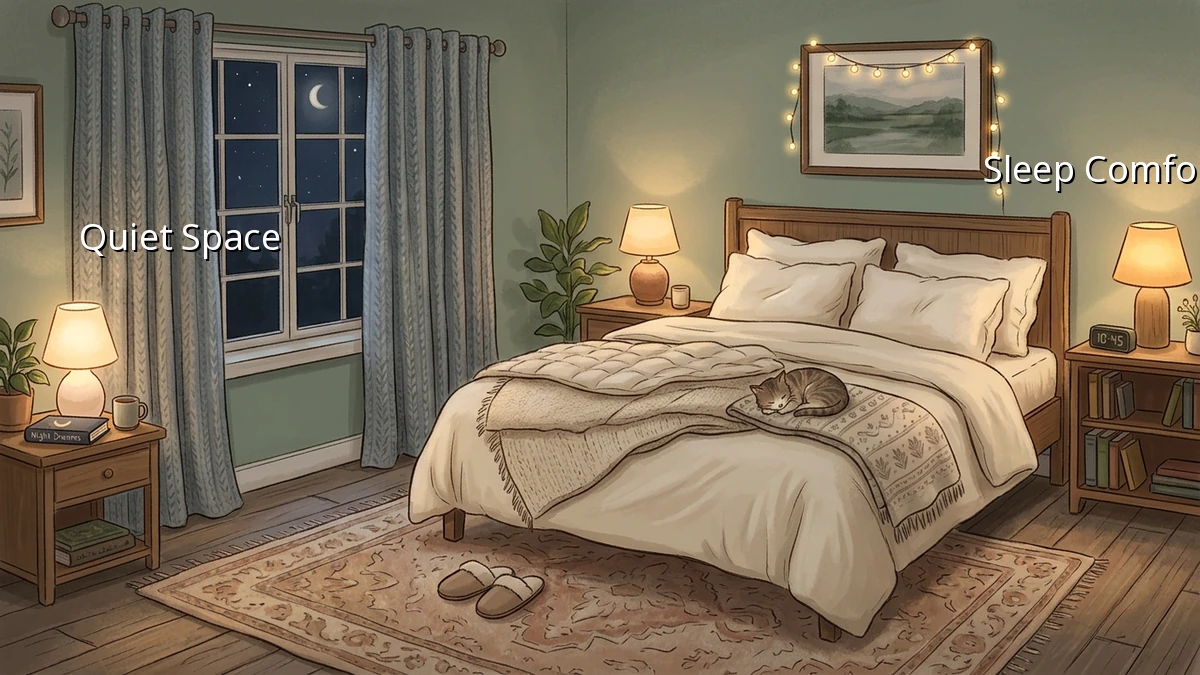
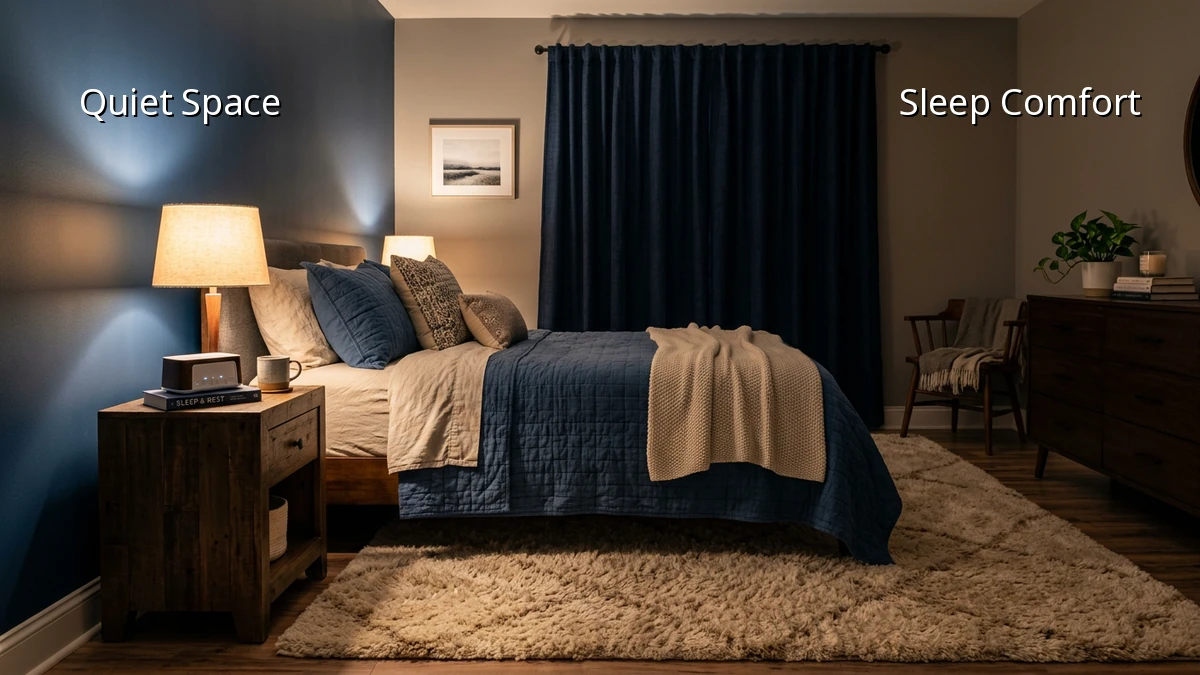
Switching to breathable bedding is one of the easiest upgrades you can make for your sleep comfort. Look for cooling sheets made from natural fibers like cotton, linen, or bamboo. These materials allow heat to escape and moisture to wick away. A cooling pillow or a breathable cooling mattress protector can also prevent heat from building up around your head and torso, keeping you comfortable all night long.
Small Habits for a Cooler Night
Improving your sleep hygiene does not require an expensive bedroom makeover. A few simple, low-effort habits can help prepare your body for a cooler rest:
- Keep blinds or curtains closed during the hottest parts of the day to block out sunlight and prevent heat buildup.
- Take a lukewarm shower before bed. It helps lower your core body temperature naturally as you dry off.
- Keep a glass of ice water on your nightstand for a quick, cooling sip if you wake up feeling warm.
Creating Your Own Sanctuary
At the end of the day, there is no single 'right' way to set up your bedroom. We all have busy schedules, limited budgets, and different comfort levels. The goal is simply to find one or two small changes that work for you and make your evenings a little more restful. Be gentle with yourself as you experiment, and remember that even small improvements in your sleep environment can lead to brighter, more energized mornings.