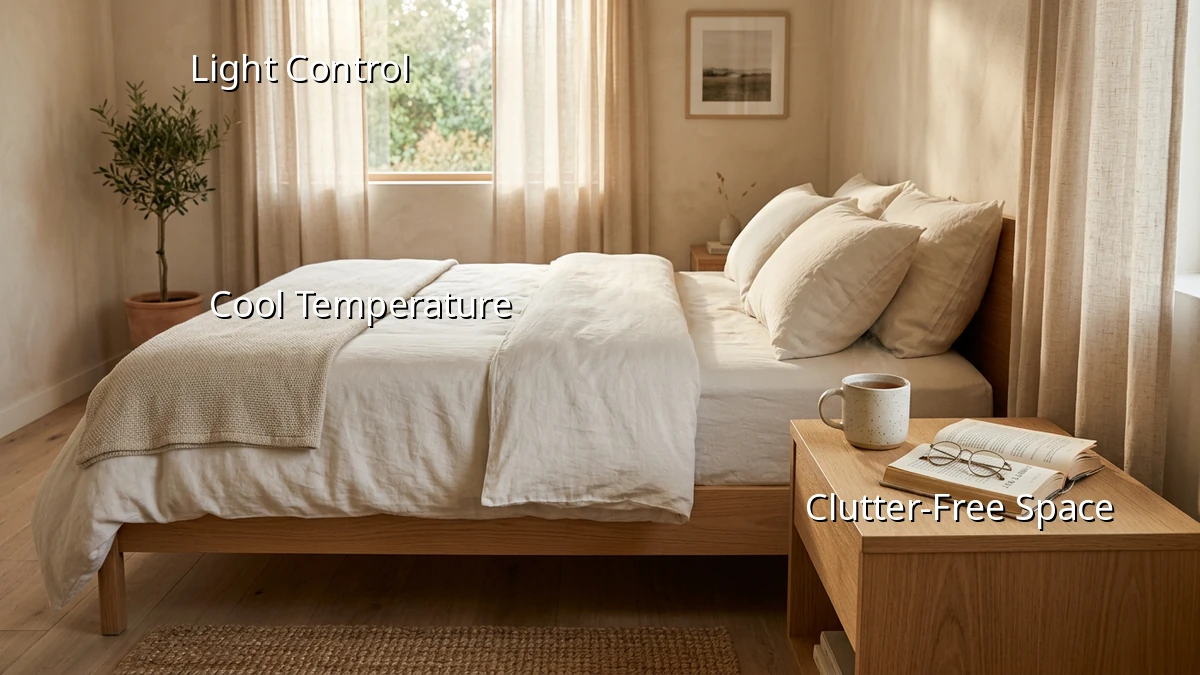
Quiet Room for Light Sleepers to Rest
There is a specific kind of frustration that comes with waking up at 2:00 AM to the faint, persistent hum of a neighbor's air conditioning unit or the distant rumble of a passing car. You lie there, eyes wide open, watching the shadows on the ceiling and wondering how such a tiny sound can feel so incredibly loud. As someone who has spent years trying to balance a busy work schedule and family life, I know how precious every single minute of sleep is. When you are already running on a tight schedule, sleep disturbances are the last thing you need.
Creating a quiet sleep space is not about turning your bedroom into a high-tech soundproof bunker. It is about simple, practical adjustments to your sleep hygiene environment that help your mind and body feel safe enough to drift off and stay asleep. Let us look at some realistic ways to soften the world outside and reclaim your night silence.
Understanding Noise Sensitivity and Sleep Hygiene
Our brains do not fully shut down when we sleep. They remain on high alert, scanning the environment for potential threats. For light sleepers, even a minor change in bedroom acoustics can trigger an alert state, pulling us out of deep, restorative sleep. This is where sleep hygiene comes into play. By proactively managing bedroom noise, we can create a reliable sound barrier that signals to our brain that it is safe to rest.
Practical Ways to Soften Your Bedroom Acoustics
You do not need to spend a fortune on professional soundproofing bedroom projects. Often, the key is simply adding soft textures that absorb sound waves rather than letting them bounce off hard surfaces.
1. Harness the Power of Heavy Curtains
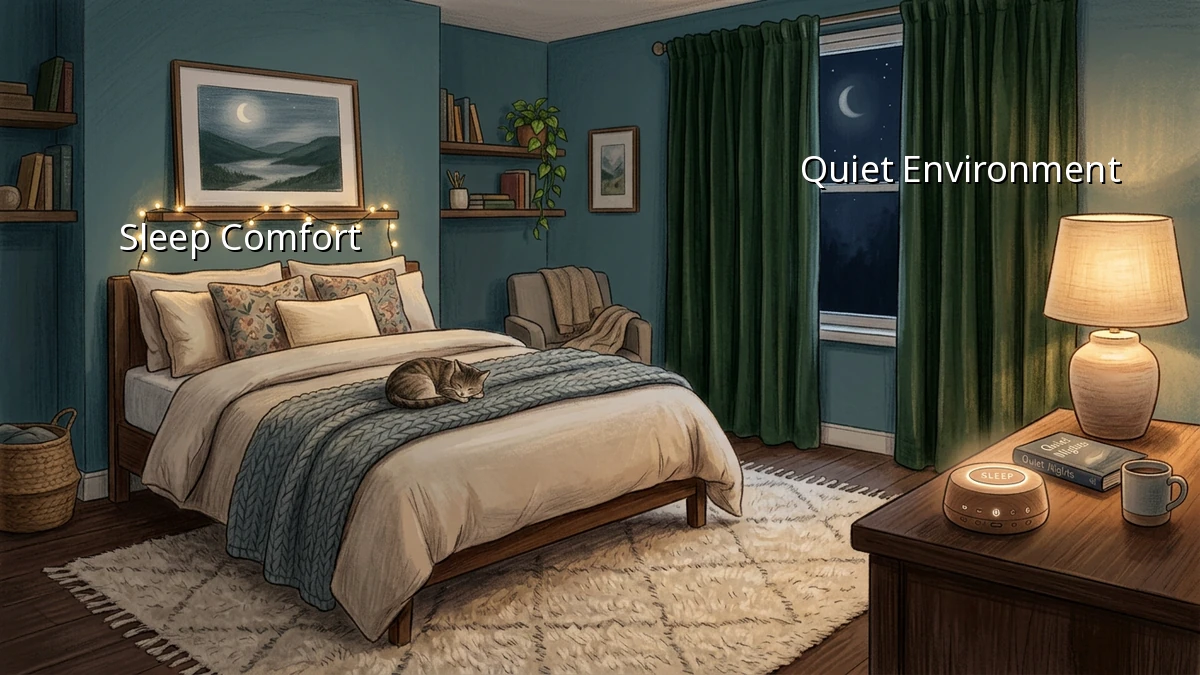
Glass windows are notorious for letting in street noise. Replacing thin blinds with heavy curtains can make a noticeable difference. Look for thermal or blackout curtains, which naturally have thicker fabric layers. They do double duty by blocking out both unwanted light and external noise.
2. Use Rugs for Sound Dampening
If you have hardwood or laminate floors, sound travels and echoes much more easily. Placing a thick rug under or beside your bed acts as an excellent rug sound dampening tool. It cushions your footsteps and absorbs ambient sounds, making the entire room feel instantly cozier and quieter.
3. Rearrange Your Furniture
Sometimes, the solution is as simple as moving your bed away from the shared wall or the window. Placing a large bookshelf filled with books against a wall that shares noise with a hallway or a neighbor's room can act as a natural sound barrier.
Finding the Right Soothing Sounds
For many of us, absolute silence is hard to achieve, and sometimes it can even make us more sensitive to sudden noises. This is where introducing controlled, soothing sounds can help mask sleep disturbances.
White Noise, Pink Noise, and Brown Noise
A sleep sound machine or a simple white noise machine can be a lifesaver. Instead of leaving you in a quiet room where every floorboard creak is startling, these devices create a consistent background hum. - White Noise: Contains all frequencies across the spectrum of audible sound in equal measure. Think of a whirring fan white noise. - Pink Noise: Has deeper, richer sounds than white noise, often compared to steady rain or rustling leaves. - Brown Noise: Even deeper, resembling the low rumble of a distant waterfall or heavy wind. Many people find this particularly calming for noise control.
If you prefer not to buy another gadget, a simple box fan can provide excellent fan white noise while keeping your room at a comfortable temperature.
Choosing Earplugs for Sleep
If you share a bed with a partner who snores, or if street noise block efforts are not enough, earplugs for sleep are a reliable backup. The key is finding a pair that fits comfortably without causing pressure in your ear canal. Soft silicone or moldable foam options are usually the most comfortable for side sleepers.
Creating Your Own Quiet Sleep Space
At the end of the day, sleep comfort is deeply personal. You do not have to implement every single tip to see an improvement. Start with one small change this weekend—perhaps hanging a thicker curtain or downloading a brown noise app.
We cannot control every sound the world makes, and that is okay. Be gentle with yourself as you experiment with what works for your unique routine. Here is to quieter nights and gentler mornings.