No Late Night Snacks for Busy People
The house is finally quiet, the laptop is closed, and the soft glow of the refrigerator light suddenly feels like the most comforting thing in the room. After a long, demanding day of balancing work and family, that quiet evening window is often the first real moment we get to ourselves. It is incredibly easy to find ourselves reaching for a late night snack as a way to unwind. But if you have ever noticed yourself tossing and turning a few hours later, you are definitely not alone.
Understanding how late night eating affects our sleep hygiene is not about setting strict, joyless rules. Instead, it is about finding that sweet spot where our evening hunger and our body's need for deep, restorative rest can peacefully coexist.
The Connection Between Your Stomach and Your Sleep
When we crawl into bed, our brain and body are supposed to be winding down for recovery. However, when we indulge in heavy snacks close to bedtime, we force our digestive system to go into overdrive.
This active food digestion can lead to stomach discomfort and acid reflux, which are common culprits behind sleep disruption. Instead of entering the deep, healing stages of sleep, our body is busy working on that late night meal. This often leaves us waking up feeling just as tired as when our head hit the pillow. Prioritizing digestive comfort before bed is one of the simplest ways to protect your sleep quality.
Realistic Ways to Manage Evening Hunger
For those of us living a busy lifestyle, simply telling ourselves 'do not eat after 7 PM' is not always practical. Some days are unpredictable, and dinner gets delayed. Here are a few gentle, realistic habits to help navigate those evening cravings:
1. Focus on Satisfying Dinners
Often, the urge to snack late at night comes from not eating enough during the day or having a dinner that lacks staying power. Try to include a balance of protein, healthy fats, and fiber in your evening meal. This helps maintain stable blood sugar levels and keeps evening hunger at bay.
2. Create a Wind-Down Evening Routine
Sometimes, we eat at night out of habit or boredom rather than actual physical hunger. Replacing the kitchen trip with a relaxing night routine can work wonders. Try brewing a warm cup of herbal tea, reading a chapter of a book, or doing some light stretching. This signals to your brain that it is time for sleep wellness, not a midnight feast.
3. Choose Wisely When You Do Need a Snack
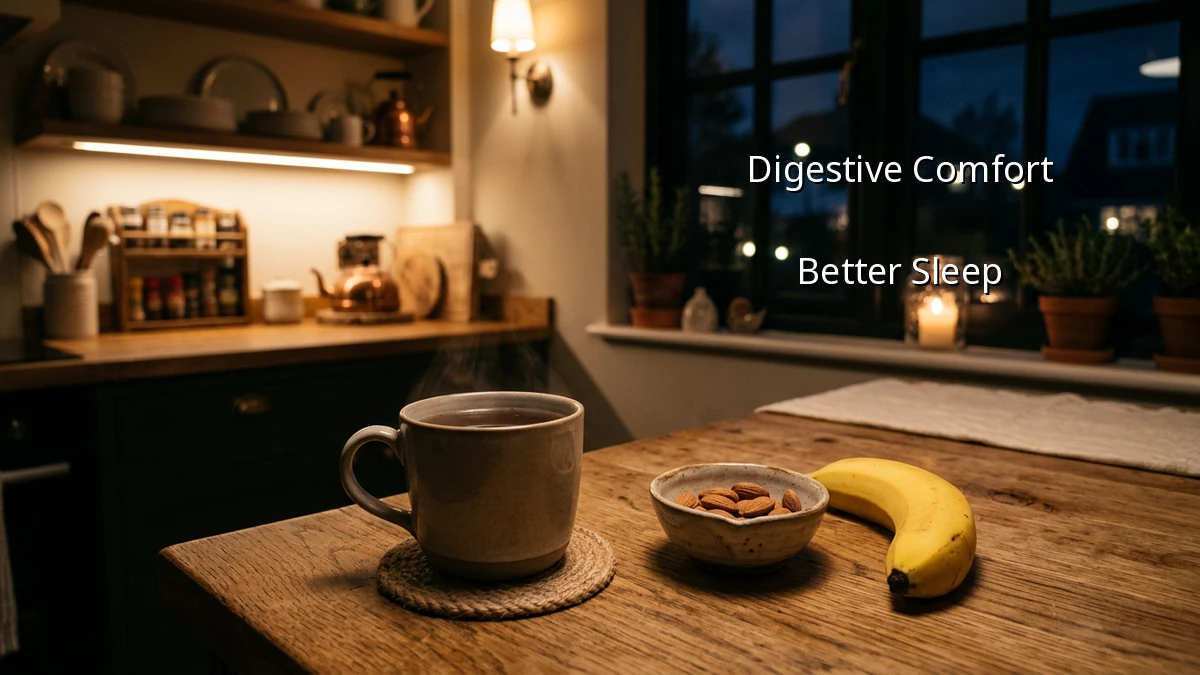
If your stomach is genuinely growling and keeping you awake, going to bed starving is not the answer either. The key is snack timing and selection. Opt for light snacks that are easy on the stomach rather than heavy snacks high in sugar or grease. A small bowl of oatmeal, a banana, or a handful of almonds can satisfy your hunger without causing major sleep health issues.
Embracing Progress Over Perfection
Adjusting your snack habits is a journey, and some nights will go better than others. If you end up having a late night treat while watching your favorite show, do not sweat it. Sleep improvement is about consistency, not perfection. By making small, mindful adjustments to your evening routine and giving your body a bit of digestive rest, you are taking wonderful steps toward waking up refreshed and ready for whatever the next day brings.