Stop Late Night Wine for Better Sleep
Stop Late Night Wine for Better Sleep
The house is finally quiet, the toys are cleared off the rug, and that single glass of red wine on the counter feels like the ultimate reward for surviving another busy day. For the longest time, an evening wine was my go-to ritual to signal to my brain that it was time to wind down. It felt cozy, relaxing, and incredibly well-deserved. But after weeks of waking up at 3:00 AM with a dry mouth and a racing mind, I had to face a frustrating truth: my favorite nightcap habit was actually stealing my sleep quality.
If you have been struggling with sleep disruption despite feeling exhausted when your head hits the pillow, that relaxing evening routine might be the hidden culprit. Let us look at how alcohol sleep interactions affect our rest, and how we can make small, realistic adjustments for better sleep wellness without losing our precious evening relaxation.
The Illusion of the Perfect Nightcap
It is easy to see why so many of us fall into the nightcap habit. Alcohol is a sedative, meaning it helps you drift off quickly. After a demanding day of balancing work and family, that fast-acting relaxation is incredibly tempting. You sip your wine, feel your muscles loosen, and fall asleep almost immediately.
However, this initial drowsiness is a bit of a trick. As your body begins the process of alcohol clearance, the sedative effect wears off, leading to a rebound effect. Instead of transitioning smoothly through the natural sleep stages, your sleep cycle becomes fragmented. You might find yourself tossing and turning during the second half of the night, missing out on the deep, restorative rest your body desperately needs to recover from mental fatigue.
How Evening Wine Disrupts Sleep Architecture
To understand why we wake up feeling tired after drinking, we have to look at sleep architecture. Our minds need to go through specific sleep stages, particularly REM (Rapid Eye Movement) sleep, which is crucial for emotional processing and memory.
When there is alcohol in your system, REM sleep is significantly suppressed, especially in the first half of the night. This disruption to your sleep schedule means that even if you spend eight hours in bed, you wake up feeling foggy and unrefreshed.
Additionally, we cannot ignore digestive comfort. Wine, especially when consumed close to bedtime, can trigger mild acid reflux and increase your heart rate. Your body is working hard to metabolize the alcohol instead of focusing on cellular repair and deep rest. This extra physical workload often manifests as a sudden wake-up call in the middle of the night, leaving you staring at the ceiling and wondering why you cannot get back to sleep.
Realistic Shifts for Better Sleep Hygiene
Giving up that feeling of evening relaxation is a hard sell, and honestly, we do not have to go to extremes. Healthy habits are all about balance, not perfection. Here are a few practical ways to protect your sleep health while still enjoying your evenings:
- Adjust the Wine Timing: If you want to enjoy a glass of wine, try having it with dinner rather than right before bed. Giving your body three to four hours for alcohol clearance before your head hits the pillow can make a massive difference in your sleep quality.
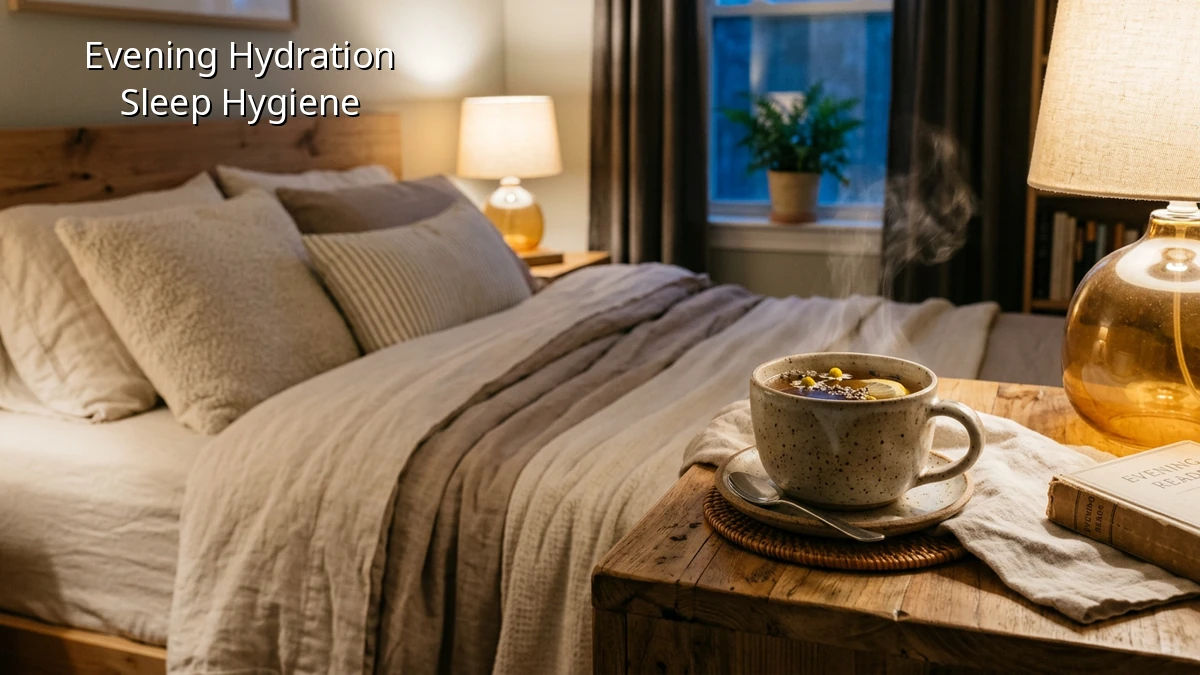
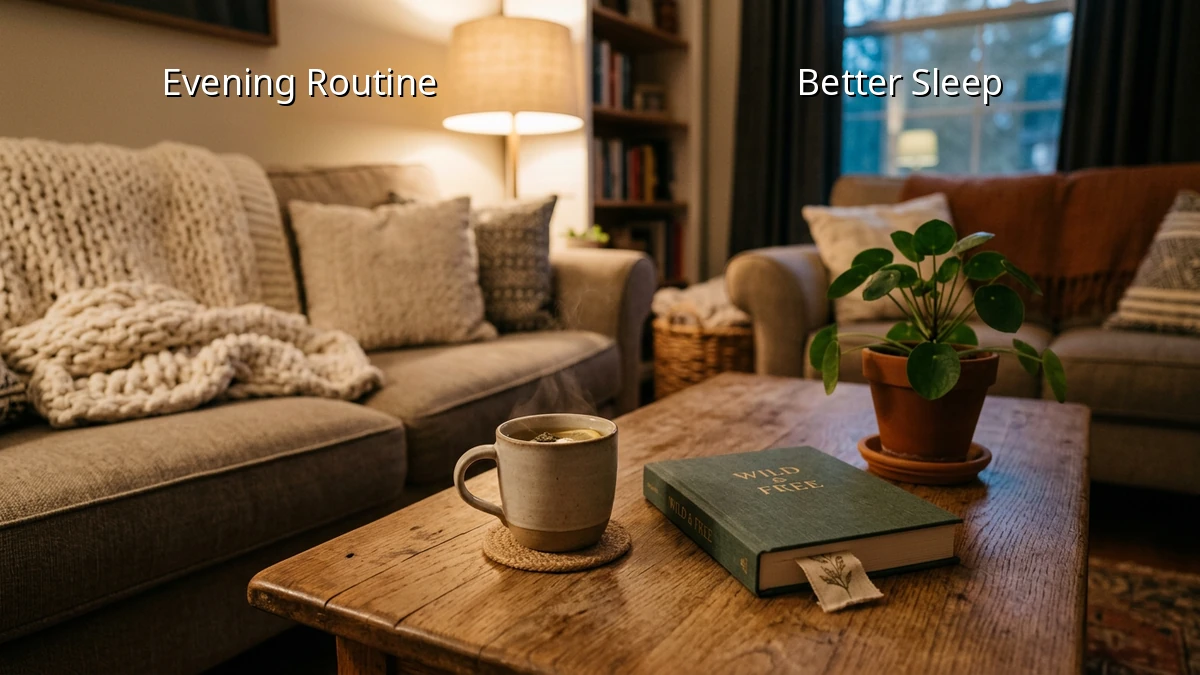
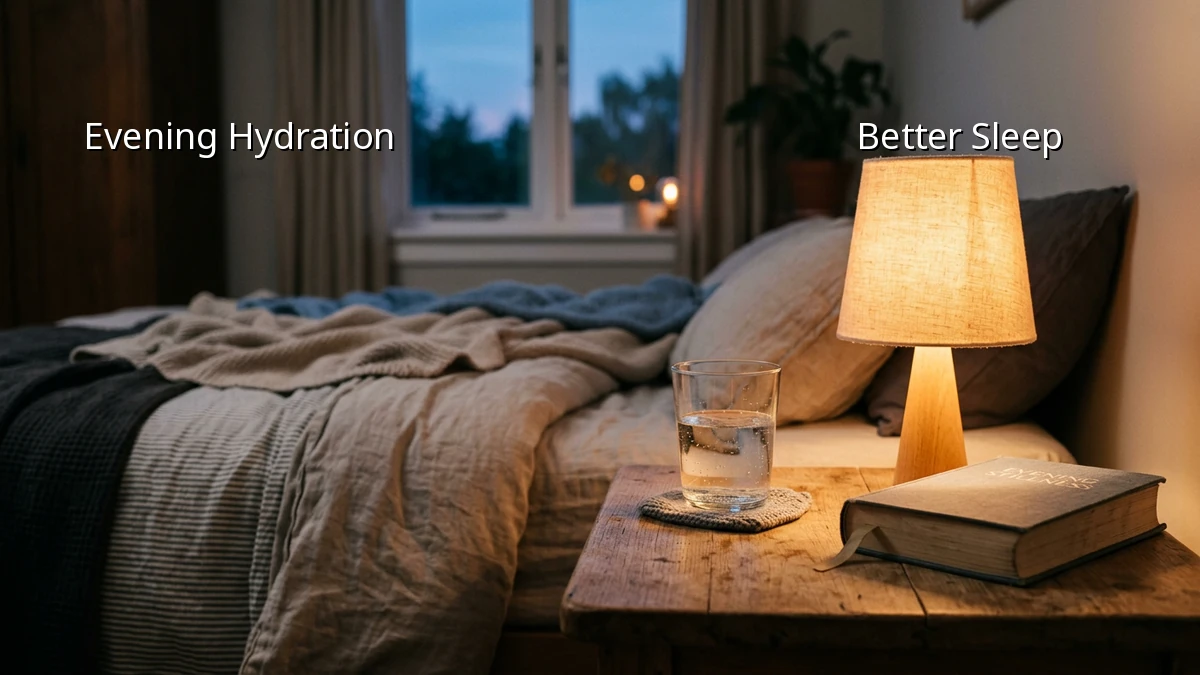
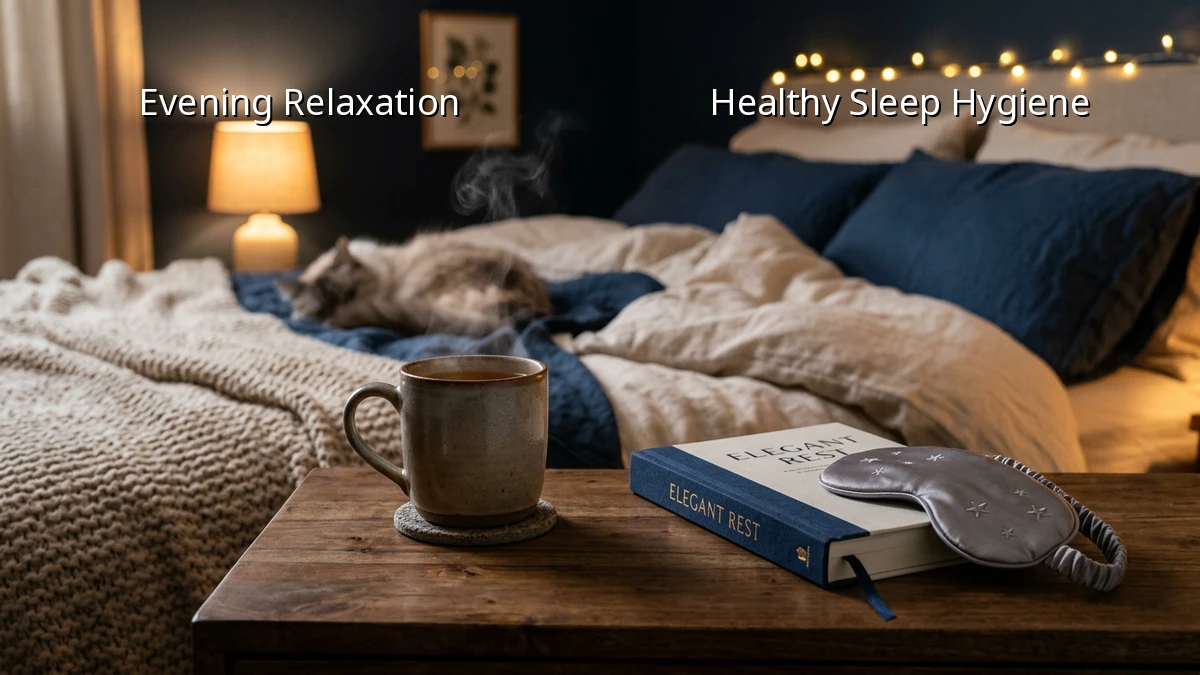
- Create a New Transition Ritual: Often, we crave the ritual of winding down more than the alcohol itself. Try swapping the late-night wine for a warm mug of chamomile tea, tart cherry juice mixed with sparkling water, or a magnesium drink. Serving it in a nice glass still gives you that special 'me-time' feeling.
- Focus on a Calming Bedtime Routine: Replace the physical relaxation of alcohol with gentle habits like a warm shower, five minutes of light stretching, or reading a few pages of a book.
Be Kind to Your Routine
Making changes to our comfort habits is rarely easy, especially when we are tired and stressed. If you decide to try an alcohol restriction close to bedtime, do not view it as a punishment. Instead, look at it as a gentle experiment in self-care.
Pay attention to how you feel the next morning. Do you wake up with a bit more energy? Is your mind slightly clearer as you start your day? Finding what works for your unique body is a journey, and every small step toward better sleep hygiene is a victory worth celebrating. You deserve rest that actually restores you.