Avoid Heavy Dinners for Better Sleep
The clock strikes 9 PM, the house is finally quiet, and you are staring at the ceiling, feeling a familiar, heavy warmth in your stomach that tells you sleep is still hours away. We have all been there. After a long, demanding day of balancing work and family, a rich, comforting dinner feels like the ultimate reward. But when that reward turns into tossing and turning, it might be time to look at how our evening food choices affect our sleep quality.
Let's talk about why heavy meals and sleep hygiene do not always mix, and how making small, realistic changes to our dinner habits can help us wake up feeling truly refreshed.
The Connection Between Heavy Meals and Sleep Disruption
When we consume a heavy dinner, our digestive system has to work overtime. Instead of winding down and entering a state of digestive rest, our body is busy breaking down complex fats and proteins. This active digestion raises our core body temperature, which is the exact opposite of what needs to happen for a deep sleep cycle.
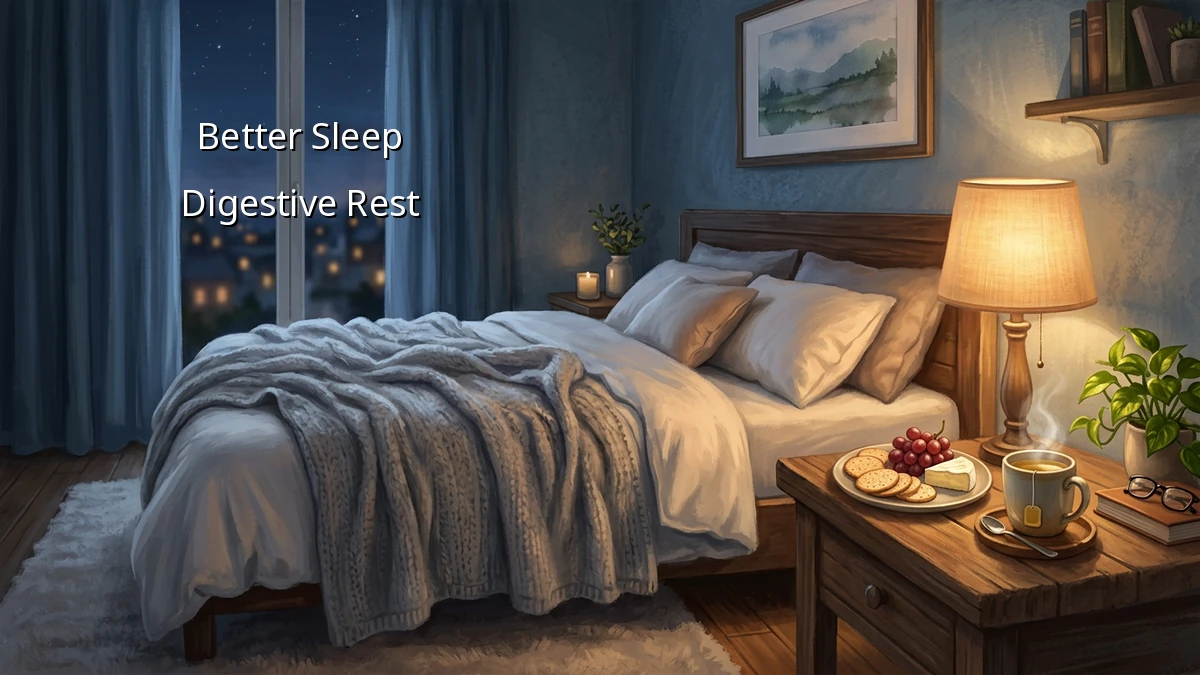
Have you ever noticed feeling hot or restless after a late-night feast? That is your metabolism working hard when it should be resting. This stomach discomfort often leads to indigestion sleep, where you wake up repeatedly throughout the night without even realizing why.
Finding Your Sweet Spot: Dinner Timing and Portion Control
Adjusting our dinner timing is one of the simplest ways to improve sleep wellness. Ideally, giving our bodies about three hours between our last bite and bedtime routine can make a world of difference.
- The Three-Hour Window: This allows the stomach to empty partially, reducing the risk of acid reflux and sleep disruption.
- Lighter Options: If a late dinner is unavoidable due to a busy schedule, shifting toward lighter, easily digestible evening food can save your night.
- Mindful Meal Planning: Planning ahead even just a little bit helps avoid the 'I am too tired to cook, let's order takeout' trap that often leads to heavy meals late at night.
Small Steps Toward Better Sleep Health
You do not need to overhaul your entire lifestyle overnight. Sleep improvement is about consistency, not perfection. Here are a few gentle adjustments you can try this week:
- Swap the Sides: Try replacing heavy, fried sides with roasted vegetables or a simple salad.
- Hydrate Early: Drink plenty of water throughout the day so you do not feel the need to chug liquids right before bed, which also disrupts sleep.
- Listen to Your Body: Notice how you feel the morning after a lighter dinner versus a heavy one. That physical feedback is the best motivator.
Creating a supportive bedtime routine is not about strict rules; it is about finding what makes your body feel comfortable and rested. If you had a heavy dinner tonight, do not sweat it. Tomorrow is another opportunity to give your body the gentle rest it deserves.