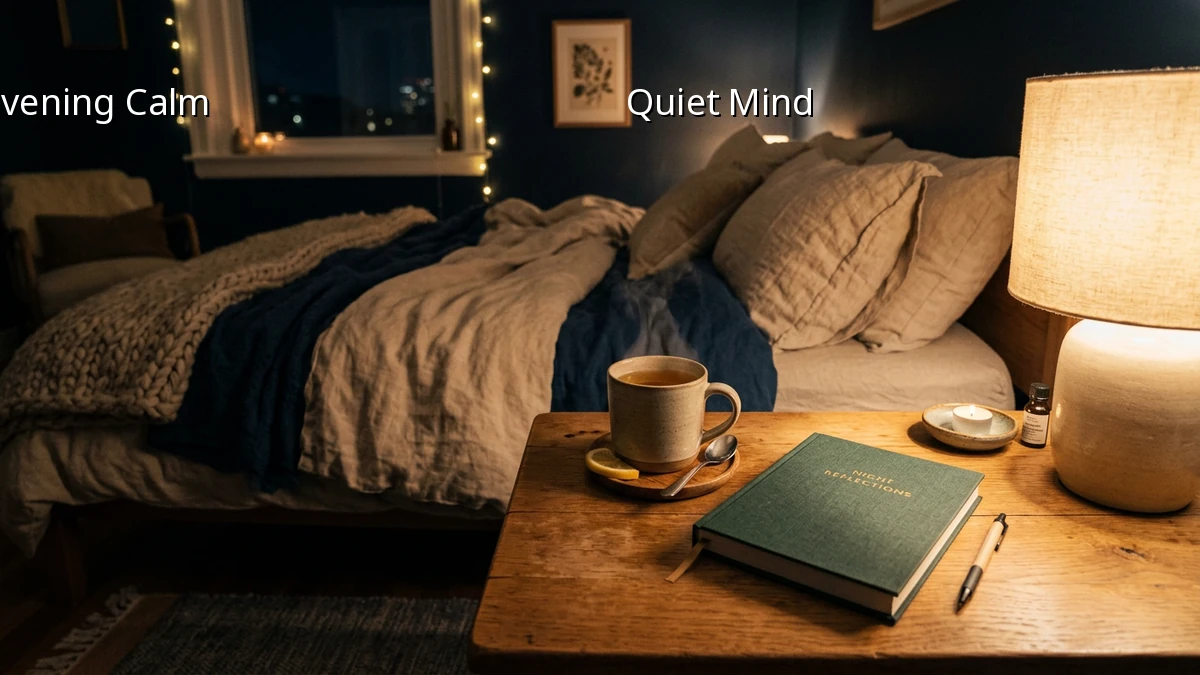
Gentle Mental Reset for Tired Moms
The living room is finally quiet, save for the hum of the refrigerator, but your mind is still running at a hundred miles an hour.
We have all been there. You finally tuck the kids into bed, collapse onto the couch, and tell yourself it is time to relax. But instead of winding down, your brain decides to replay every single task you did not finish today, alongside a mental shopping list for tomorrow. This mental chatter is one of the biggest hurdles to motherhood sleep.
When we talk about sleep hygiene, we often focus on physical things like dimming the lights or avoiding screens. But for busy moms, cognitive sleep hygiene—how we transition our minds from active parenting mode to rest mode—is just as crucial. An evening mental reset is not about a perfect, two-hour spa routine. It is about simple, realistic habits that signal to your brain that the day is done and it is safe to rest.
Three Realistic Steps for an Evening Mental Reset
Here are a few gentle relaxation practices that fit into a busy schedule without feeling like another chore on your list.
1. The Five-Minute Brain Dump
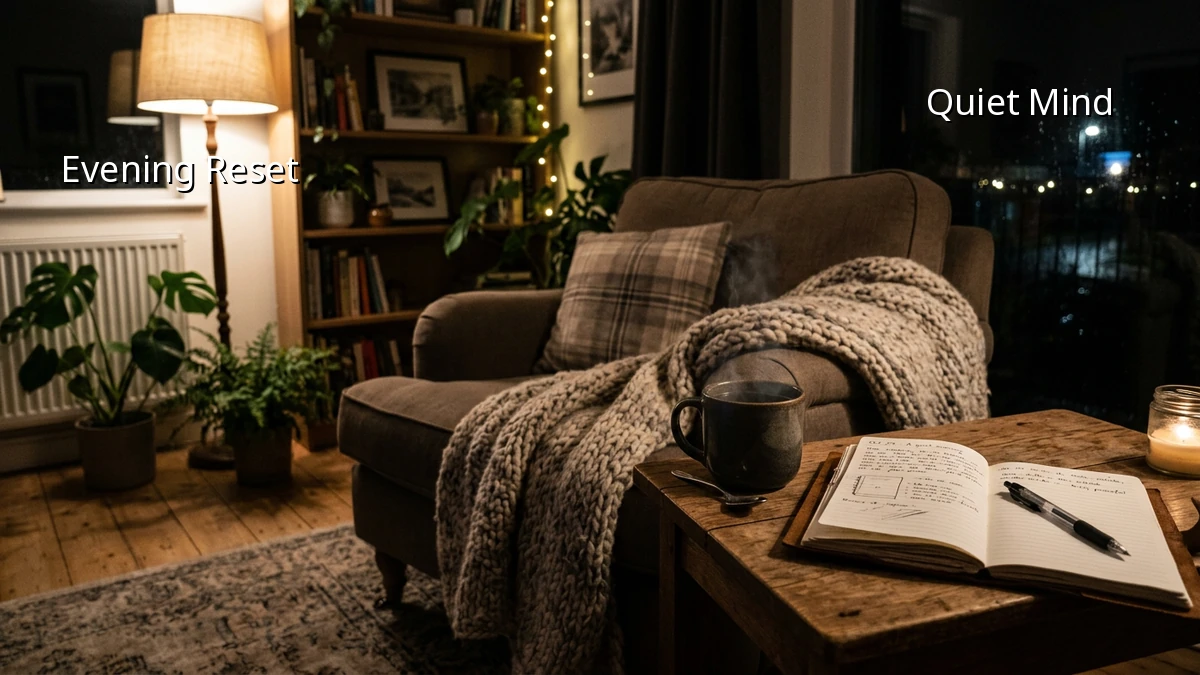
Before you try to close your eyes, get a notebook and write down everything swirling in your head. It does not need to be organized or pretty. Write down the permission slip you need to sign, the laundry that needs folding, or just how tired you feel. Getting these thoughts out of your head and onto paper tells your brain, 'I do not have to hold onto this tonight. It is safe here until morning.' This simple act of stress reduction can work wonders for achieving a quiet mind.
2. Create a Visual Boundary
It is hard to find nighttime calm when you are staring at a pile of toys or a sink full of dishes. But instead of cleaning the whole house when you are exhausted, try creating just one small visual boundary. Close the door to the messy playroom, or clear just one corner of the couch where you sit. Restricting your visual field to a tidy, calm space helps lower your mental load and supports sleep wellness.
3. A Gentle Sensory Transition
Our bodies respond deeply to sensory cues. You do not need a complicated evening routine to trigger this. It can be as simple as washing your face with warm water, putting on your favorite softest pajamas, or sipping a cup of warm chamomile tea. Focus entirely on the physical sensation—the warmth of the water, the softness of the fabric. This grounds you in the present moment, shifting your nervous system from 'fight or flight' into 'rest and digest' for a more restful night.
Embracing Imperfect Progress
Some nights, your evening relaxation might just be taking three deep breaths before your head hits the pillow. And that is completely okay. Healthy sleep is not about doing everything perfectly; it is about consistency and finding what works for your unique life.
You are doing an amazing job, and it is okay to leave the rest of the world on pause tonight. Sleep well, mama. You have earned this peaceful sleep.