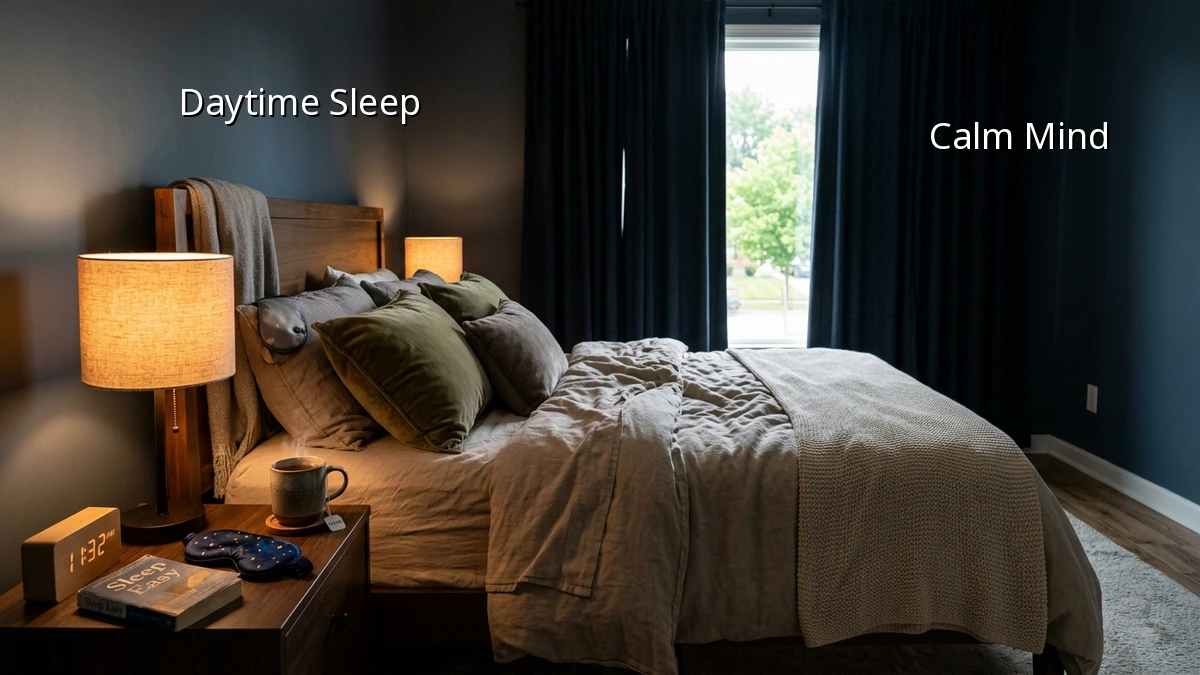
Calm Work Stress Before Sleeping
The laptop is closed, the kitchen counters are finally wiped down, and the house is quiet, yet your mind is still running at a hundred miles an hour with tomorrow's to-do list. It is a familiar feeling for many of us who juggle work, family, and the endless demands of daily life. When work stress follows you to bed, getting a restful night's sleep feels almost impossible.
But sleep hygiene is not about creating a perfect, three-hour spa routine. It is about simple, realistic shifts that help your brain understand that the workday is officially over. Let's look at a few practical ways to wind down and find some mental calm before your head hits the pillow.
The Power of a 'Workday Shutdown' Ritual
When you work from home or have a busy office life, the line between 'work time' and 'home time' easily gets blurred. Without a physical transition, your brain stays in problem-solving mode long into the evening.
Creating a simple shutdown ritual can act as a mental bridge. This does not need to be complicated. It could be as simple as: - Closing all your browser tabs at the end of the day. - Writing down the top three tasks for tomorrow so they are out of your head. - Physically closing your laptop and putting it out of sight.
By taking five minutes to consciously end your workday, you give your mind permission to stop worrying about unfinished tasks.
Clear the Mental Clutter with a 'Brain Dump'
Have you ever laid in bed, staring at the ceiling, suddenly remembering an email you forgot to send? This cognitive load is a major enemy of good sleep hygiene.

One of the easiest ways to quiet a busy mind is a 'brain dump'. Keep a simple notebook by your bed or on your living room table. Before you start your evening relaxation, spend two minutes writing down everything that is bouncing around in your head. It does not have to be neat or organized. Just get the thoughts, worries, and tasks out of your brain and onto paper. Once it is written down, your mind can let go, knowing the information is safe for tomorrow.
Shift Your Senses to Signal Bedtime Calm
Our brains respond strongly to environmental cues. If your evening environment looks and feels exactly like your daytime workspace, your body will struggle to produce the hormones needed for sleep.
You can gently signal to your nervous system that it is time to rest by changing your sensory surroundings: - Dim the lights: Switch off bright overhead lights and use warm lamps instead. - Change your scent: A simple lavender spray on your pillow or a gentle candle can work wonders. - Unplug from screens: Try to put your phone away at least thirty minutes before bed. If that feels too hard, start with ten minutes.
These small, realistic adjustments fit easily into a busy schedule without feeling like another chore on your list.
Progress Over Perfection
Some nights, you might still find yourself thinking about work. That is completely normal and okay. Sleep wellness is not about being perfect every single night; it is about consistency and finding what works for your unique life. Be gentle with yourself, take a deep breath, and remember that tomorrow is a fresh start. You deserve this time to rest.