Calm Night Thoughts for Beginners
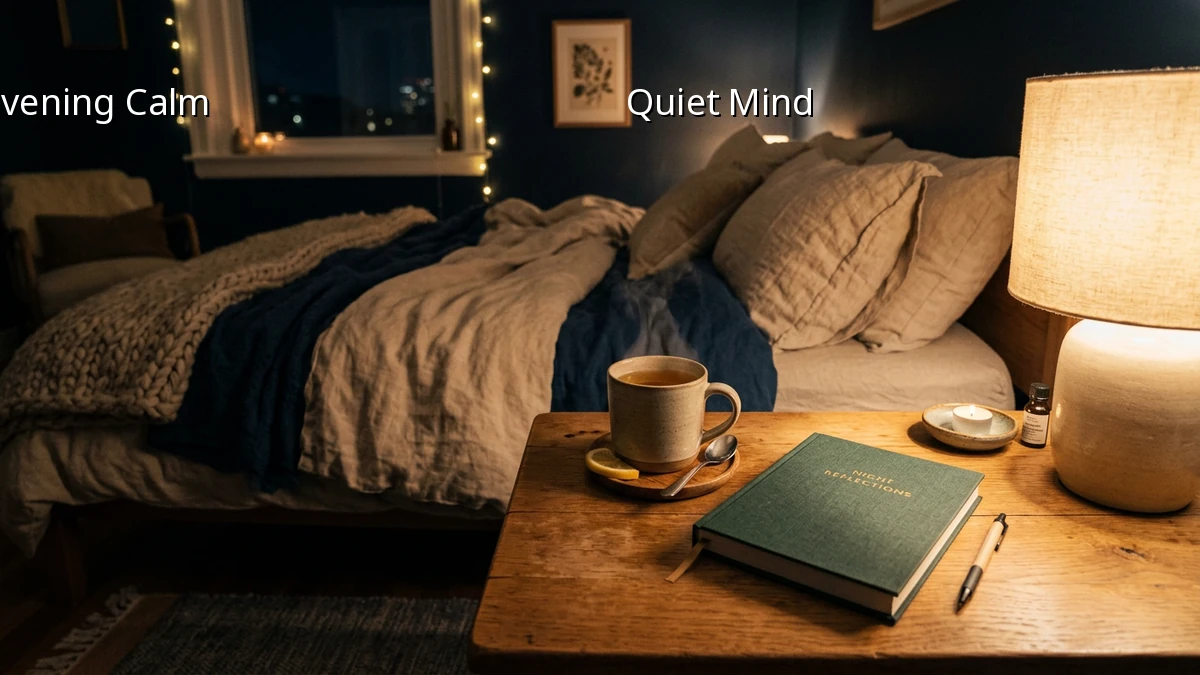
The house is finally quiet, the warm glow of the bedside lamp is the only light left, but your mind is still running at full speed. We have all been there, staring at the ceiling, mentally sorting through tomorrow's to-do list or replaying a conversation from three days ago. It is exhausting, especially when you just want to drift off into a restful night.
When we talk about sleep hygiene, we often focus on the physical side, like keeping the room cool or avoiding screens. But what about our minds? That is where cognitive sleep prep comes in. It is not about forcing your brain to go blank, but rather giving it a gentle, comforting runway to land on after a busy day.
Understanding Cognitive Sleep Prep
For beginners, cognitive sleep prep might sound like a complicated psychological term, but it is actually very simple. It is the practice of intentionally shifting your thoughts from active problem-solving to a state of mental relaxation.
Think of your brain like a laptop. You cannot just slam the lid shut while fifty tabs are open and expect it to run smoothly. You need to close those tabs one by one. By introducing relaxing habits that focus on mental calm, you signal to your nervous system that it is safe to let go of the day.
Gentle Ways to Quiet Your Mind
You do not need a perfect, hour-long meditation practice to start seeing improvements in your sleep quality. Here are a few low-pressure bedtime habits that can help create a quiet evening for your mind:
- The Brain Dump: Keep a simple notebook by your bed. Before you try to sleep, write down everything swirling in your head. It does not have to be neat or organized. Just get it out of your head and onto the paper.
- Cognitive Shuffling: This is a wonderful tool for beginner sleep support. Pick a word, like 'calm' or 'sleep'. For each letter, think of five gentle words that start with that letter. For 'C', you might think of 'cloud', 'cozy', 'candle', 'cotton', and 'cabin'. This gives your brain a simple, non-emotional task to focus on, preventing it from wandering back to stressful thoughts.
- Sensory Grounding: Focus on the physical comfort of your bed. Notice the softness of your pillow, the weight of your blanket, or the cool air on your face. This shifts your focus from internal worries to immediate physical comfort.

Building a Low-Pressure Evening Routine
Creating a sustainable evening relaxation routine is not about adding more chores to your night. It is about reducing friction. If a ten-step routine feels like a burden, it defeats the purpose of stress relief.
Start small. Maybe tonight, you just spend five minutes sitting quietly with a warm cup of caffeine-free tea, or you do a few gentle stretches on the rug. The goal is consistency, not perfection. When you approach your bedtime prep with a sense of ease, your mind naturally begins to associate these quiet moments with peaceful sleep.
Be Kind to Your Busy Brain
It is completely normal to have nights where your mind refuses to quiet down. On those nights, try not to get frustrated with yourself. Frustration only creates more mental tension, making sleep even harder to reach.
Instead, offer yourself a little grace. Remind yourself that resting your body is still valuable, even if your mind is taking a bit longer to catch up. You are doing the best you can, and tomorrow is a fresh start. Sleep wellness is a journey, and every small step you take toward a calm mind is a victory.