Dark Room Setup for Better Sleep
There is a specific kind of exhaustion that hits around 9 PM, where your body feels incredibly heavy but your mind is still spinning with the day's endless to-do list. You finally crawl into bed, turn off the lamp, and wait for sleep to take over. But instead of soothing darkness, you notice the green glow from the air purifier, the blue standby light on the television, and the streetlamp shining through the gaps in your blinds. Suddenly, your bedroom feels less like a sanctuary and more like a runway.
Creating a dark room is one of the simplest, most effective sleep hygiene tips I have ever embraced. It does not require a complete home renovation or a massive budget. By making a few realistic adjustments to your sleep environment, you can signal to your brain that it is time to wind down, helping you fall asleep faster and stay asleep longer.
The Science of Darkness, Simplified
Our bodies rely on natural cues to regulate our sleep-wake cycle, also known as our circadian rhythm. When the sun goes down, our brains are wired to produce melatonin, the hormone that makes us feel sleepy. However, artificial light—especially the blue light from screens and bright overhead bulbs—tricks our brain into thinking it is still daytime.
Even tiny amounts of light pollution in your bedroom can disrupt this delicate balance. By focusing on light control, we can protect our sleep quality and create a dark space that supports deep, restorative rest.
Practical Steps for a Dark Bedroom Setup
Here is how you can transform your bedroom into a sleep-friendly haven without turning it into a full-time project:
1. Upgrade Your Window Coverings
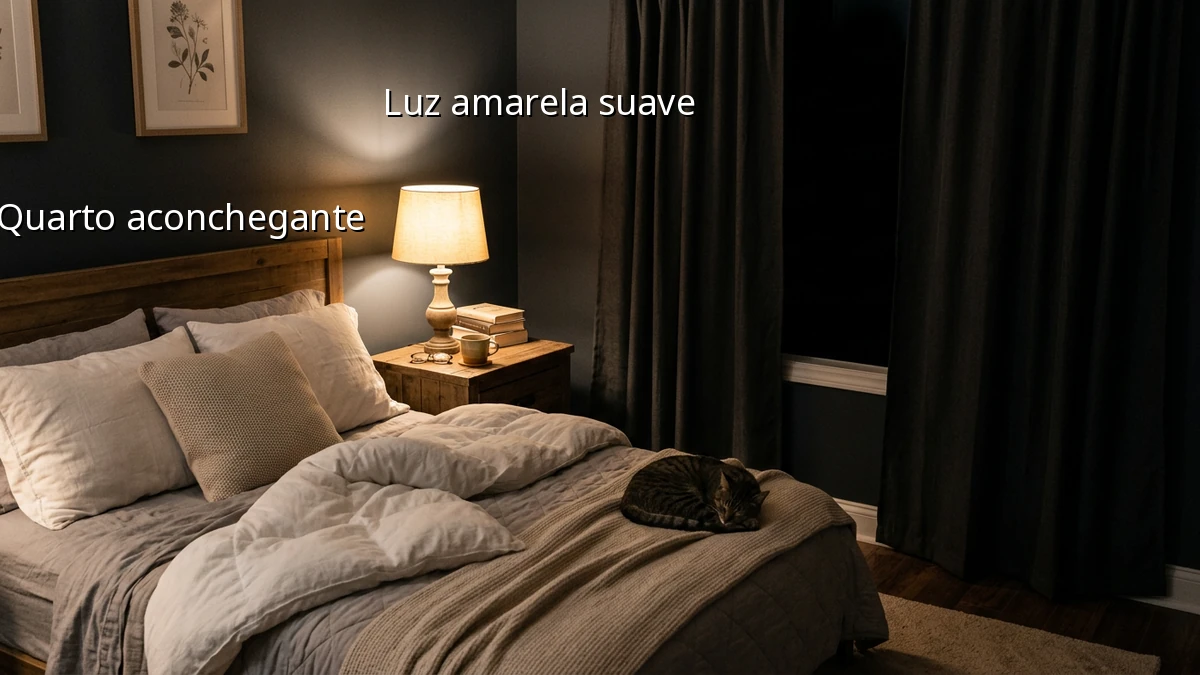
Standard blinds often let in streetlights and early morning sun. Installing blackout drapes is a game-changer for blocking external light. If you are renting or on a budget, simple window film or temporary blackout shades can work wonders without damaging the walls.
2. Tame the Glowing Electronics
Take a look around your room at night. You might be surprised by how many tiny LED lights are staring back at you. You do not need to throw away your electronics. Instead, try using small, inexpensive light blocking stickers to cover those bright power indicators.
3. Practice Evening Dimming
Preparing for sleep starts before your head hits the pillow. Try dimming the lights in your living space an hour before bed. This gentle transition helps your mind prepare for sleep. If you need to navigate the house at night, use a low-wattage, warm-toned nightlight in the hallway instead of flipping on bright overhead switches.
4. The Ultimate Quick Fix: A Sleep Mask
If you cannot completely darken your room—perhaps due to a partner's schedule or streetlights you cannot block—a high-quality sleep mask is your best friend. Look for one made of soft, breathable fabric that is contoured to your face without putting pressure on your eyes. It is a portable, low-cost way to guarantee a dark environment wherever you are.
Progress Over Perfection
You do not need a perfectly pitch-black room tonight to start seeing benefits. Even dimming one bright light or hanging a thicker curtain can make a noticeable difference in how rested you feel tomorrow. Be gentle with yourself, take it one small step at a time, and enjoy the journey to a more peaceful night's rest.