Avoid Late Spicy Food for Better Sleep
Avoid Late Spicy Food for Better Sleep
The clock on the microwave glows 10:30 PM, and while the house is finally quiet, my stomach is doing anything but settling down. We have all been there: that delicious, spicy curry or those extra-hot tacos seemed like the perfect dinner reward after a long, exhausting day. But now, as you try to drift off, there is a warm, uncomfortable flutter in your chest, and sleep feels miles away.
It turns out that our love for bold flavors and our desire for a restful night of sleep do not always get along. If you have been tossing and turning lately, looking at your dinner habits might just be the missing piece of your sleep hygiene puzzle.
Why Spicy Food and Sleep Do Not Mix
When we think about sleep disruption, we often blame screen time or stress. While those are definitely culprits, what we put in our bodies during our evening routine plays a massive role in how we rest. Spicy food, in particular, challenges our sleep quality in a few sneaky ways.
First, there is the issue of digestive comfort. Spicy dishes often contain capsaicin, the compound that gives chili peppers their kick. While great for flavor, capsaicin can slow down food digestion and irritate the stomach lining. This often leads to stomach discomfort, heartburn, and acid reflux when we lie down. When you are flat on your back, gravity can no longer help keep stomach acid where it belongs, making that burning sensation much worse and keeping you awake.
Second, spicy food can actually alter your body temperature. To fall into a deep sleep cycle, our core body temperature needs to drop slightly. Eating fiery foods can cause a temporary spike in body temperature, making you feel hot and restless just when your body is trying to cool down for the night.
Finding the Sweet Spot: Dinner Timing and Choices
Giving up spicy food entirely feels too restrictive, and honestly, life is too short to eat bland meals. Instead of cutting out your favorites, the key is focusing on dinner timing and creating a supportive bedtime routine.
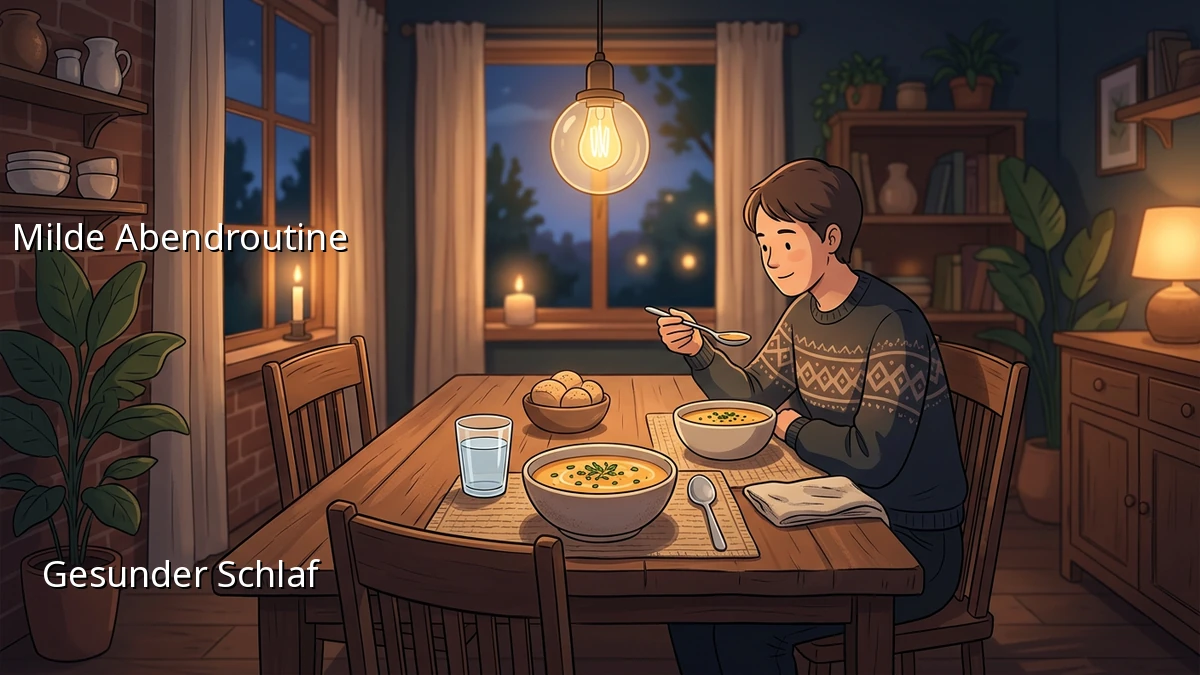
- The Three-Hour Rule: Try to finish your evening food at least three hours before your sleep schedule begins. This gives your body ample time for food digestion and allows your stomach to settle into a state of digestive rest before you lie flat.
- Lighten the Heat at Night: If you are craving spice, try saving the extra-hot dishes for lunch. For dinner, opt for milder versions that satisfy your cravings without triggering acid reflux.
- Support Your Evening Routine: If you do end up having a spicy dinner, consider adding a cup of chamomile tea or taking a slow walk after eating to help soothe your digestive system.
Small Steps to Better Sleep Wellness
Improving your sleep health does not require a complete lifestyle overhaul. It is about making small, sustainable adjustments that fit into your busy schedule. Paying attention to how certain foods affect your night routine is a wonderful, gentle way to practice self-care.
If you had a late, spicy meal tonight and are struggling to sleep, do not be hard on yourself. Tomorrow is a fresh start, and every small change you make is a step toward a more restful, cozy night.