No-Cost Sleep Routine for Busy Adults
The house is finally quiet, the dishwasher is humming in the background, and yet your mind is still racing at a hundred miles an hour. We have all been there. After a long day of balancing work, family, and endless to-do lists, crawling into bed should feel like a relief. Instead, we often find ourselves staring at the ceiling, wondering why sleep will not come.
When we look for ways to improve our sleep hygiene, we are often bombarded with expensive gadgets, high-tech pillows, or complicated supplement routines. But the truth is, the most effective evening wind-down habits do not cost a single penny. By making small, sustainable adjustments to our daily routine, we can signal to our body clock that it is time to rest.
Here is a simple, no-cost routine designed for busy adults who want to reclaim their nights and wake up feeling refreshed.
Step 1: Honor Your Body Clock with a Consistent Schedule
Our bodies thrive on predictability. One of the most powerful sleep habits you can build is going to bed and waking up at roughly the same time every single day.
When our schedule constantly shifts, our internal clock gets confused, making it harder to fall asleep naturally. You do not have to be perfect with this. Even aiming for a consistent window within thirty minutes can make a massive difference. Think of it as a daily appointment with your own wellbeing.

Step 2: Create a Screen-Free Sanctuary with Dim Lights
Our eyes are incredibly sensitive to light, especially the blue light emitted by phones, tablets, and televisions. This light tricks our brain into thinking it is still daytime, delaying the production of melatonin, our natural sleep hormone.
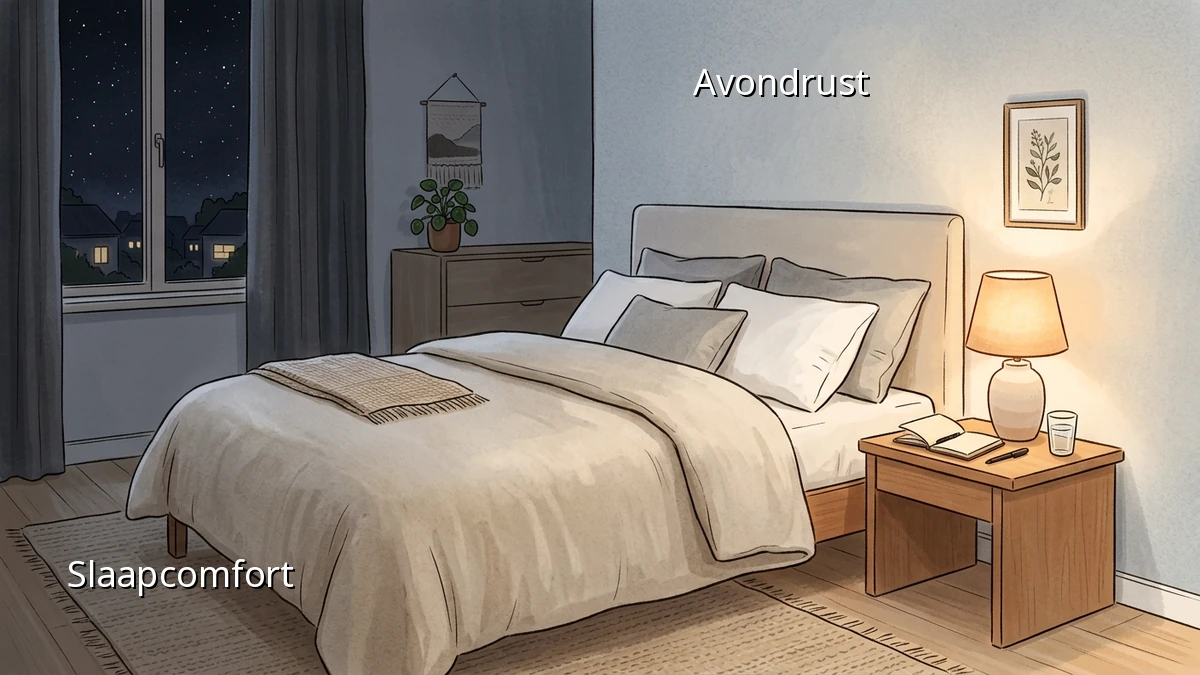
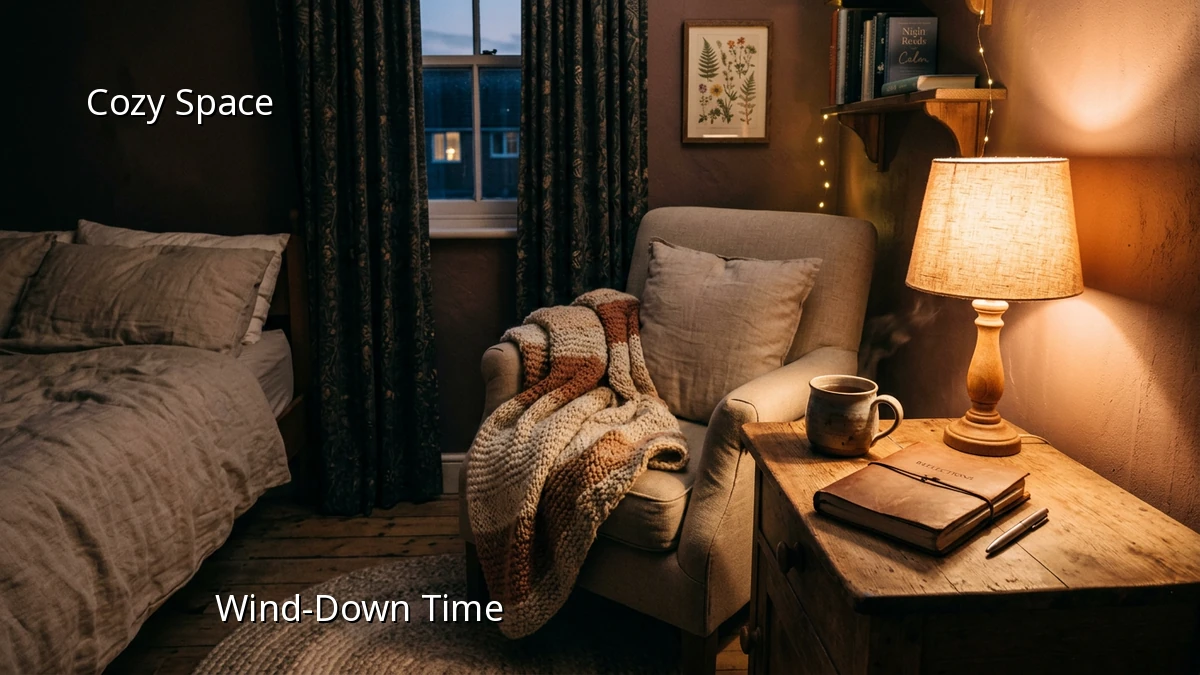
Try setting a screen-free boundary about thirty to sixty minutes before bed. Instead of scrolling through social media, use this time to dim the lights in your living space. Creating a cozy bedroom environment with soft, warm lighting acts as a powerful sleep signal. It tells your brain that the day is winding down and it is safe to relax.
Step 3: Gentle Physical Transitions for Stress Relief
After sitting at a desk or running errands all day, our bodies carry physical tension that we might not even notice. Incorporating simple, physical sleep preparation can help release this stress.
- A Warm Bath or Shower: You do not need a fancy spa setup. A simple warm shower before bed helps lower your core body temperature afterward, which naturally induces sleepiness.
- Light Stretching: Spend just five minutes doing gentle stretches on your bedroom floor. Focus on your neck, shoulders, and hips where tension accumulates.
- Deep Breathing: Before closing your eyes, take five slow, deep breaths. Inhale for four seconds, hold for four, and exhale for six. This simple practice activates your parasympathetic nervous system, bringing instant mental calm.
Step 4: Simple Mindful Activities to Quiet the Brain
If your mind is still buzzing with tomorrow's tasks, try replacing screen time with low-stimulation activities that promote relaxation.
- Reading: Pick up a physical book or an e-reader without a backlight. Just a few pages of fiction can transport your mind away from daily stressors.
- Soothing Music: Play some soft, instrumental tunes in the background while you get ready for bed.
- Herbal Tea: Sipping a warm cup of chamomile or peppermint tea can be a beautiful sensory anchor for your evening wind-down.
Finding Your Own Rhythm
You do not have to adopt all of these evening wind-down habits tonight. In fact, trying to change everything at once can create more stress, which is the exact opposite of what we want.
Start by choosing just one small change that feels doable for your schedule. Maybe it is dimming the lights a bit earlier, or swapping ten minutes of scrolling for a few pages of a book. Remember, healthy sleep is not about achieving a flawless routine every single night. It is about showing up for yourself with consistency and kindness, one quiet evening at a time.