Short Naps for Busy Workers to Sleep
Staring at a blinking cursor on my screen at 2:00 PM, with my third cup of coffee cooling beside me, I used to think survival was the only option. We have all been there—that heavy-lidded afternoon slump where your brain feels like it is running through wet cement. Between managing work deadlines, family schedules, and the endless mental to-do list, it is no wonder our energy levels take a dive. For a long time, I thought pushing through with caffeine was the only way, but it always backfired when I tried to fall asleep at night. That is when I started exploring daytime napping as a tool for sleep hygiene, rather than a sign of laziness.
The Afternoon Slump is Real (And How We Fight It)
When that mid-afternoon fatigue hits, our first instinct is often to grab another latte or a sugary snack. While that gives us a quick spike of energy, it usually leads to a crash later and disrupts our natural circadian rhythm. This disruption makes it incredibly hard to wind down when bedtime finally rolls around.
Instead of fighting our body's natural dip in alertness, a strategic power nap can work wonders. It is not about escaping our responsibilities; it is about giving our brain a quick reset so we can show up fully for the rest of our day and still sleep soundly tonight.
The Golden Rules of Daytime Napping for Better Nighttime Sleep
To make sure a quick rest supports your sleep hygiene instead of ruining your bedtime, there are a few simple guidelines to keep in mind:
- Keep it under twenty minutes: A short nap of 15 to 20 minutes keeps you in light sleep. If you sleep longer, you risk entering deep sleep, which leaves you feeling groggy and makes it harder to fall asleep at night.
- Timing is everything: The best time for a nap is usually between 1:00 PM and 3:00 PM. Napping any later can interfere with your sleep drive, making your actual bedtime a struggle.
- Create a quiet transition: Give yourself five minutes after waking up to stretch and drink a glass of water before jumping back into work.
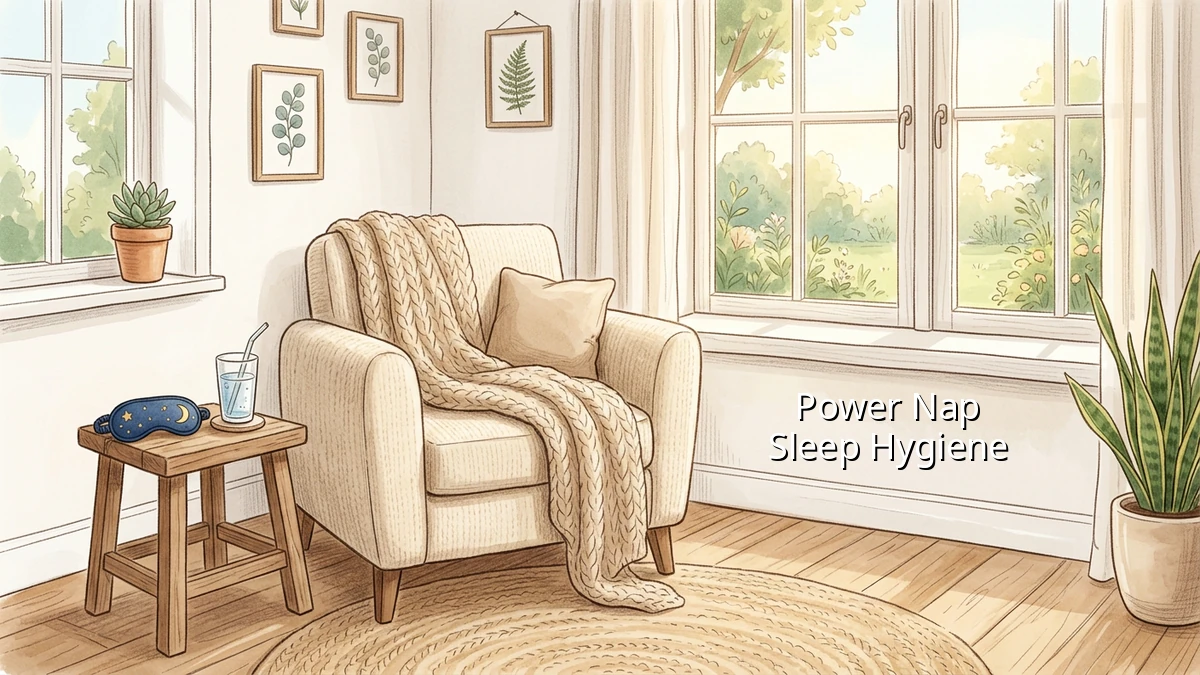
Setting Up Your Perfect Mini-Nap Space
You don't need a perfect setup to get the benefits of a quick rest. Even if you are working from a busy office or a chaotic home, small adjustments can make a big difference. Try using an eye mask to block out bright daytime light, or put on some calming white noise through your headphones to drown out background chatter.
Remember, the goal isn't necessarily to fall fast asleep. Just closing your eyes and breathing deeply for fifteen minutes gives your nervous system a much-needed break from the constant stimulation of the day.
Be Kind to Your Body
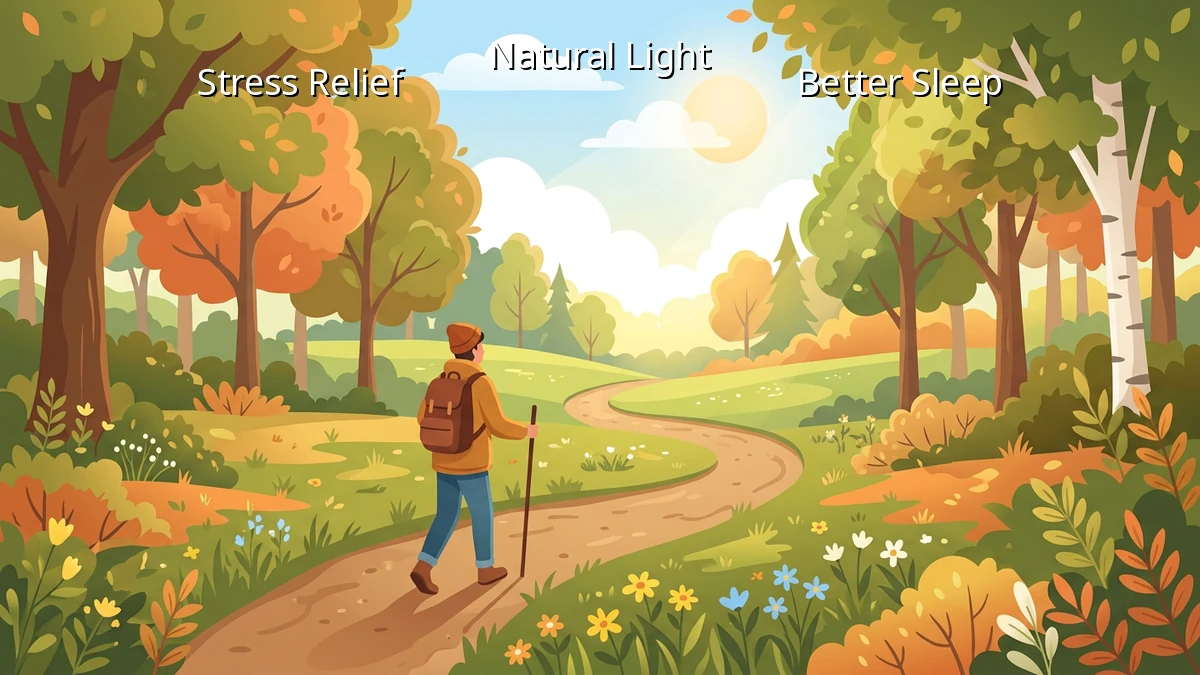
Finding the right balance for your daily energy is a journey of trial and error. Some days you might need a quick rest, and other days a short walk in the fresh air might be what serves you best. Listen to what your body is asking for, and remember that taking a moment to rest is a form of self-care, not a waste of time. You are doing great, and it is okay to slow down for a moment to recharge your batteries.